
Food spoilage and product wastage are significant global logistical issues that must be addressed at every stage of the transportation process.
This is especially true when handling temperature-sensitive products such as fresh produce or special vaccines.
Properly storing and transporting them can not only enhance your overall logistics infrastructure but also help you comply with regulatory standards.
That said, there are numerous factors to consider when managing temperature-controlled logistics, so it contributes to your supply chain strategy.
With this in mind, let us begin by covering the basics: defining temperature-controlled transportation, highlighting its benefits, and discussing actors to consider when implementing the process.
What is Temperature-Controlled Transportation?
If you handle perishable goods or items that require precise climate conditions to be maintained, you must consider temperature-controlled transportation or transportation-controlled logistics (TCL).
Temperature-controlled transport is a branch of logistics that handles the storage, preservation, and movement of goods sensitive to specific temperatures or climate conditions.
Often referred to as cold-chain logistics, this specialised approach employs vehicles, equipment, and monitoring systems to ensure that your products are safe and effective
Goods that commonly utilise temperature-controlled logistics include, but are not limited to:
-
Seafood
-
Vegetables
-
Cosmetics
-
Pharmaceuticals
-
Meats
-
Flowers
-
Chemicals
In essence, temperature-controlled transport helps you safely handle and move goods at specific temperatures and conditions.
4 Types of Temperature-Controlled Transportation
People usually visualise a refrigerated truck when temperature-controlled transportation is mentioned.
However, there are several modes and methods of transport to consider in the process:
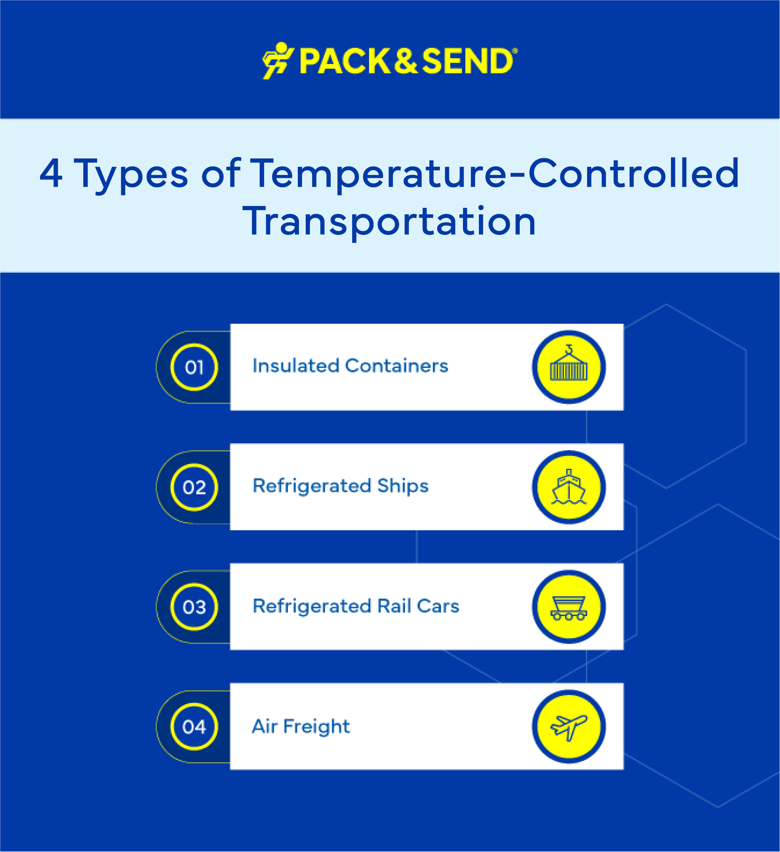
1. Insulated Containers
You can use insulated containers that help maintain the temperature for a limited timeframe, and these containers are used for shorter trips or less sensitive goods. These containers can help you put off active cooling while your goods are in transit.
2. Refrigerated Ships
If you deal with bulk international shipments that should ideally be transported via sea or ocean freight, you can utilize refrigerated ships. These goods generally include fruits, vegetables, and seafood, and the transportation can be quite cost-effective.
3. Refrigerated Rail Cars
If you want to leverage rail freight for transporting your goods within the country, you might be looking at refrigerated rail cars. This is also a popular option for shipping large volumes of perishable goods across countries within the same continent.
4. Air Freight
If you want to transport temperature-sensitive goods within a limited timeframe and internationally, you should opt for air freight. This temperature-controlled transport mode is ideal for moving pharmaceuticals and perishable food items.
Importance of Temperature-Controlled Logistics: 5 Key Benefits
Having understood the meaning and types of temperature-controlled logistics for transporting your goods, let us now explore the primary benefits associated with them:
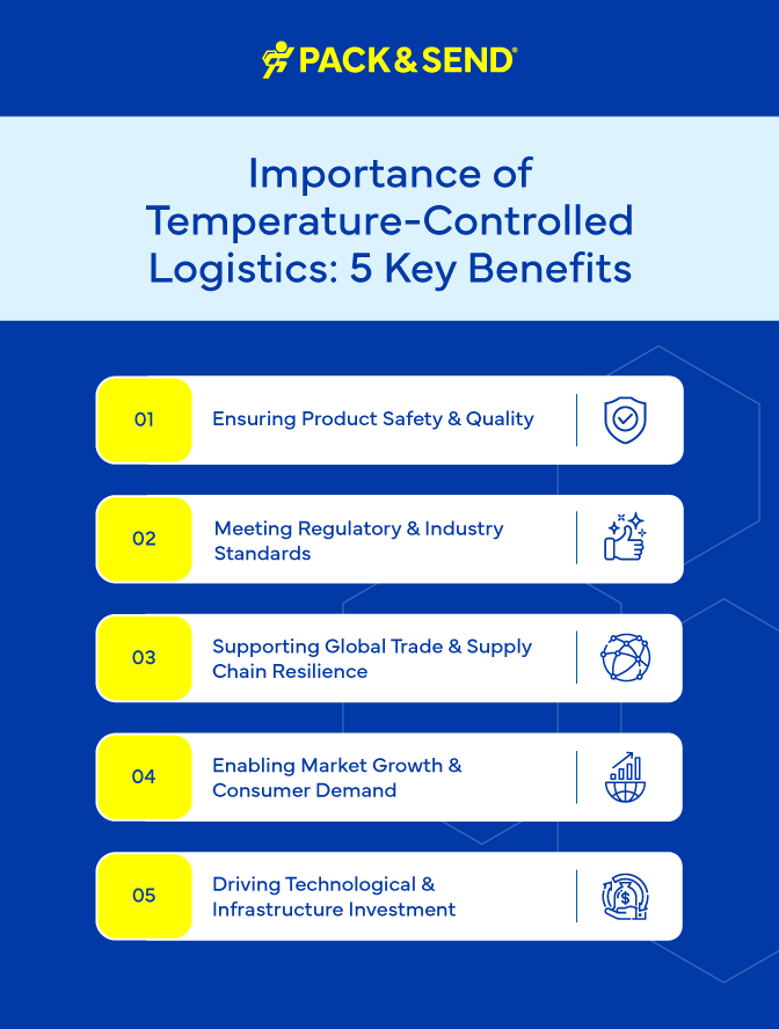
1. Ensuring Product Safety & Quality
When transporting temperature-sensitive goods that can quickly lose efficacy or degrade in quality if exposed to improper temperatures, it is crucial to handle the transportation correctly by opting for temperature-controlled logistics.
For example, pharmaceutical goods such as medicines or vaccines must often be stored and transported in containers with temperatures between 2-8 °C.
This is even more critical in the food sector, where improper temperatures can lead to spoilage and even foodborne illnesses.
2. Meeting Regulatory & Industry Standards
Whether you are shipping within the country or internationally, you have to deal with strict regulations and set up food safety control and transport procedures accordingly.
These regulations are legally mandated and necessary, so you must comply with them to help strengthen public health.
In certain cases, failing to use the right temperature-controlled transport can even lead to rejected shipments, product recalls, fines, or reputational damage.
For pharmaceutical temperature-controlled transport, these regulations can even define the effectiveness of the medicines and whether they will work as intended, reflecting on your credibility and trustworthiness.
3. Supporting Global Trade & Supply Chain Resilience
The expansion of global trade has only intensified the need for robust temperature-controlled logistics.
Temperature-controlled logistics is crucial, so you must ensure that products exported from international locations reach their destinations in optimal conditions.
For instance, if you are transporting seafood from Asia or vaccines from Europe, you want to ensure that the integrity of the products is maintained, even across continents.
This capability to maintain product integrity in international trade is important so that your goods are handled safely even through supply chain disruptions or regulatory shifts.
4. Enabling Market Growth & Consumer Demand
The demand for organic produce and ready-to-eat products is rising, and with it, the need for reliable temperature-controlled transport.
However, the growth of eCommerce and D2C deliveries has created a consistent demand for cold-chain logistics.
The cold chain logistics market is estimated to grow from $168.24 billion in 2025 to $253.9 billion by 2030.
This growth is primarily being driven by the increase in refrigerated warehouses and the pharmaceutical sector.
5. Driving Technological & Infrastructure Investment
With massive investments in infrastructure, IoT sensors, data analytics, and automation, the logistics sector is enjoying enhanced efficiency and visibility.
Some of these technologies can also help you reduce spoilage, boost sustainability, and ensure compliance, paving the way for energy-efficient transport and eco-friendly coolants.
6 Factors to Consider When Dealing With Cold-Chain Logistics
Having reviewed the primary advantages of strengthening your cold-chain logistics, you must focus on adopting a holistic approach that covers all major aspects of your logistical operations.
Let us now explore some of the most crucial factors to consider when dealing with your transportation process:
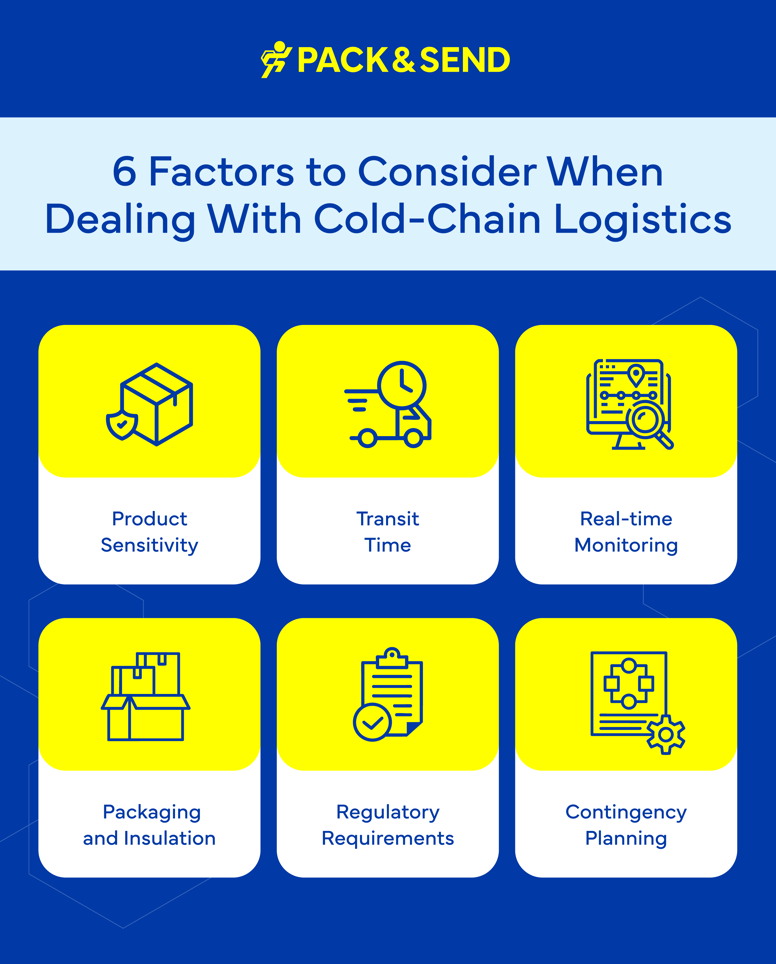
1. Product Sensitivity
Many products must be stored and handled within specific temperature ranges so they are transported and delivered in optimal conditions.
For instance, frozen food items may need extremely low temperatures below -18 °C, and pharmaceuticals need a temperature range between 2-8 °C.
For example, most COVID-19 vaccines, when rolled out, needed ultra-low temperatures around -70 °C across continents and countries.
2. Transit Time
You need to manage your transit times and optimize them with the help of robust and efficient route planning.
When done properly, your route planning can also reduce the risk of temperature excursions and strengthen the transportation process of your perishable goods and D2C deliveries.
Most AI-powered logistics tools and platforms help you analyze real-time data to predict delays and optimize routes effectively, and proactively manage your delivery schedules.
3. Real-time Monitoring
Cold-chain logistics requires you to deal with IoT devices and real-time sensors that have now become the norm.
You must consistently monitor and manage the temperature, humidity, and location of your goods in transit.
For instance, several companies use GPS-enabled asset trackers with environmental sensors to enhance visibility and response to temperature deviations.
4. Packaging and Insulation
To maintain the integrity of your goods during transit, you must utilize proper packaging materials for packing and insulating your goods.
In most cases, the right packaging material is crucial for maintaining temperature integrity in case of unexpected delays or last-minute deliveries.
For instance, you may even need to leverage phase-change materials and insulated containers for shipping high-value pharmaceuticals and specialty foods.
5. Regulatory Requirements
Ensure that you adhere to all the stringent regulations governing and overseeing cold-chain logistics, depending on your origin and destination locations.
Most governments and international agencies have implemented the right regulations and policies for cold-chain compliance.
For instance, transporting pharmaceutical goods and equipment, and high-value food items, may require you to document temperature logs for each shipment.
You have to be aware of the regulatory requirements in each country (FDA guidelines in the USA, GDP in Europe) and the WHO Good Distribution Practices when utilizing temperature-controlled transportation for your goods.
6. Contingency Planning
If you deal with temperature-controlled logistics operations, planning for unforeseen bottlenecks and challenges should be at the top of your priority list.
Ask yourself: What would you do in case of an equipment failure? Or, what is your response plan for temperature excursions?
Asking pivotal questions like these will help you come up with a comprehensive plan to overcome and respond to challenges, and be prepared to minimize losses and damages in case of contingencies.
4 Common Causes Leading to Rejected Loads in Temperature-Controlled Transport
Having explored the primary factors involved in choosing to transport your goods with temperature-controlled logistics.
Even if you do everything right, you could still end up with rejected loads due to the following causes:
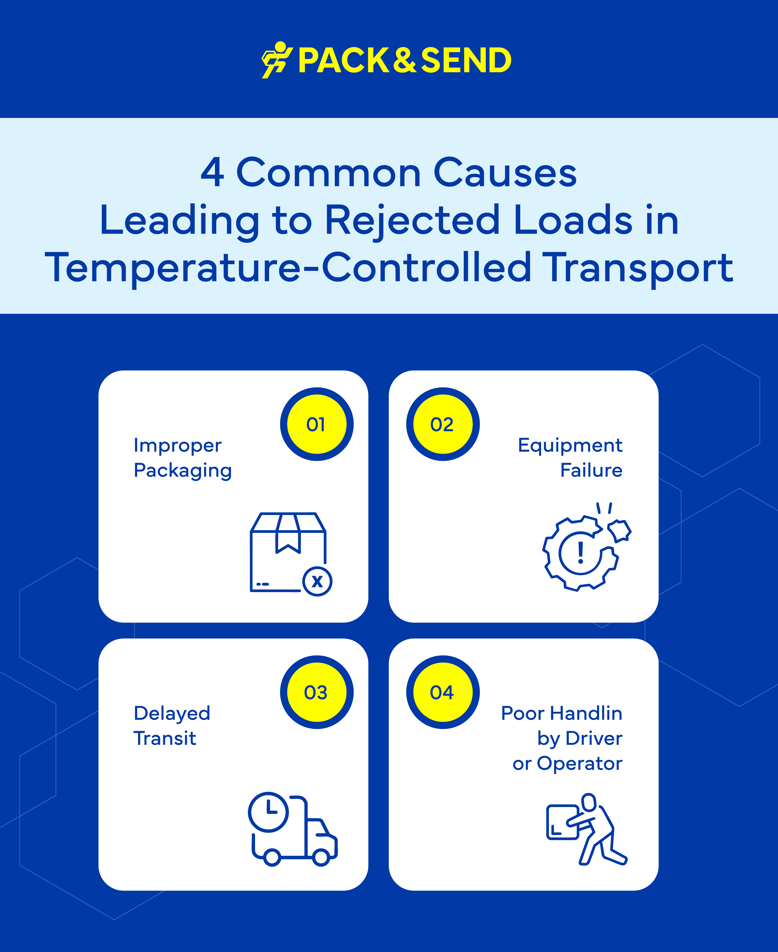
1. Improper Packaging
One of the biggest mistakes you can make when transporting temperature-sensitive goods from one location to another is not concentrating on packaging.
Using inadequate or poorly designed packaging material for your goods can lead to ineffective air circulation and temperature fluctuations.
For instance, if you are shipping fresh produce or perishable food items, using a ventilated carton is far better than non-ventilated boxes, as the latter can trap heat and accelerate spoilage.
2. Equipment Failure
Along with planning your temperature-controlled transportation policies diligently, you must have periodic maintenance and repairs scheduled for your equipment.
If you utilize malfunctioning refrigeration units, faulty sensors, or power outages, you may face unwanted temperature excursions in transit.
This situation can be quite tricky if you are transporting perishable goods with limited shelf lives or highly sensitive pharmaceutical products.
Remember, even the most minor equipment failure can cause spoilage of products if they are highly sensitive, are shipped through emergency temperature-controlled transport, or need to be stored and handled in special temperature conditions.
3. Delayed Transit
Most logistics companies arrange for containers or conditions that keep the goods in a temperature-controlled environment for a fixed timeframe while they are in transit.
However, if there are unexpected power outages or delays at the delivery dock, your equipment may no longer be enough to preserve your goods.
These goods can then be exposed to ambient conditions, causing disruptive temperature excursions.
For instance, if you are shipping dairy products in a refrigerated truck, your goods could get spoiled and rejected if they are taken out of the truck and made to sit on the main delivery dock, waiting for the last-mile pickup for too long.
4. Poor Handling by Driver or Operator
Most rejections in the logistics sector happen as a result of human error or poor handling by the team.
Your operator or driver might change the temperature control on the equipment incorrectly, handle the loading or unloading of goods poorly, or fail to monitor whether the temperature remains consistent during transit, all these are situations that might lead to the spoilage of goods and rejection.
For instance, a driver might have forgotten to activate the refrigeration control in the shipping vehicle when resuming the journey after a pit stop. This might lead to your goods getting ruined and then rejected by customers.
4 Steps Involved in Ensuring the Integrity of Temperature-Controlled Transportation
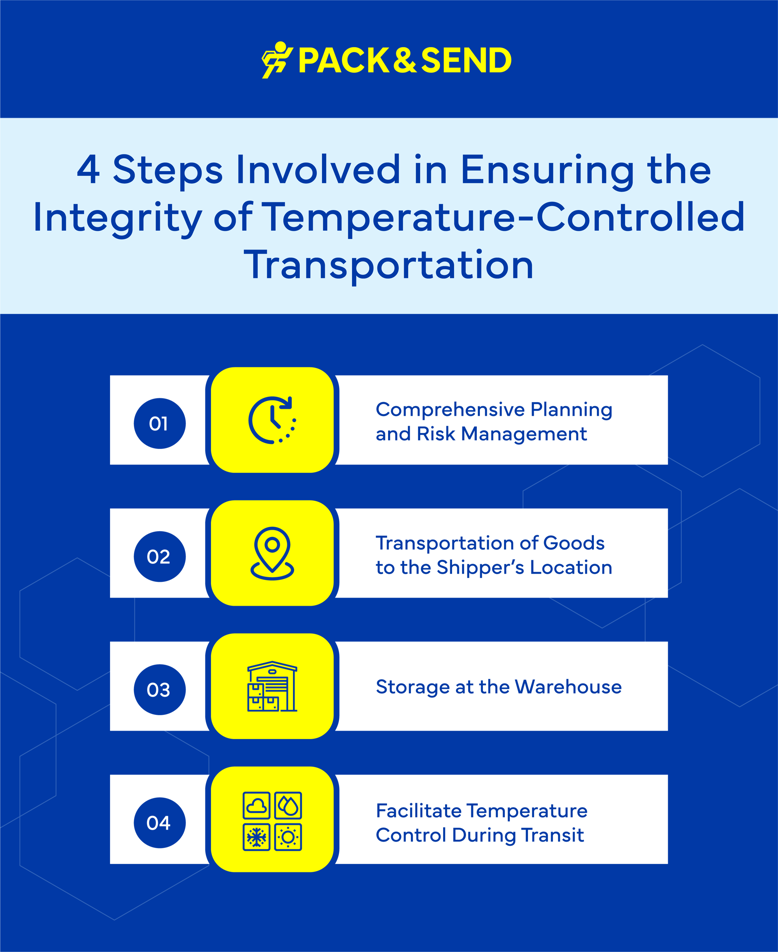
Managing temperature-controlled logistics processes doesn’t have to be tricky, and it can help gain many benefits as long as you identify the primary factors to consider in the process.
While many challenges can complicate the process, you can keep it simple and efficient by following these steps:
1. Comprehensive Planning and Risk Management
Transporting sensitive and valuable goods requires thorough planning, and shippers must ideally make adequate preparations in advance to avoid any last-minute issues.
To begin with, select the optimal routes for transporting your goods to minimize the transit time and reduce exposure to temperature fluctuations.
You must consider multiple factors such as traffic, customs delays, and extreme weather while planning your transit route and policies.
You should also develop backup plans for unexpected events such as equipment failure or delivery delays, which may otherwise compromise product safety.
Assess potential risks and vulnerabilities that threaten each stage of your transportation process, and implement the right strategies to manage and mitigate those risks.
2. Transportation of Goods to the Shipper’s Location
After adequate planning, you must prepare to transport the goods to the shipper’s location or a temperature-controlled transport company’s location.
If you are choosing a local shipping service provider, opt for refrigerated trucks or pre-cool your transport vehicle and cargo before loading.
What’s more, you must also conduct the necessary equipment checks and calibrate all your refrigeration units and sensors.
Lastly, opt for insulated or temperature-controlled packaging, ideal for handling and transporting your goods.
Take care of these aspects when transporting your goods to the shipper’s location to be shipped forward to the destination.
3. Storage at the Warehouse
Once your goods reach the shipper’s facility, they will typically be stored in a warehouse or storage facility before being finally shipped.
The warehouse is where your goods will be stored and loaded onto the shipping container for their final leg of the journey.
Regardless of the warehouse layout you choose for your goods, you must ensure that there is minimal exposure to ambient temperatures.
Additionally, you must avoid keeping the doors in the facility open for extended periods to avoid unintentional temperature fluctuations.
Within your warehouse, arrange your goods to allow optimal airflow within the cargo space. This will help you avoid hot or cold spots that can compromise product integrity.
Create policies to specify handling requirements and help you identify your goods easily and comply with the requirements.
4. Facilitate Temperature Control During Transit
You need to choose whether you want to implement an active shipping system or a passive shipping system for managing temperatures while your goods are in transit.
Active shipping systems are utilized in air freight or sea freight shipping methods, powered through internal batteries or an external electricity source.
On the other hand, a passive shipping system does not require any human or external input for maintaining consistent temperatures.
Whether you choose to implement an active or passive shipping system, you must manage and control your temperature with the help of advanced sensors, GPS tracking, and IoT devices.
You can also set up automated alerts to manage any temperature deviations so that you are able to take immediate corrective actions accordingly.
Challenges With Cold-Chain Logistics
Despite technological advances in global supply chain and logistics, there are several challenges that shippers have to navigate, including:
-
Complex Coordination: The involvement of multiple parties and handoffs in a typical temperature-controlled transportation process can make the overall coordination more complex and time-consuming, delaying deliveries.
-
Regulatory Complexity: When dealing with international shipments, you must adhere to varying standards and documentation requirements across different countries.
-
Environmental Impact: Any logistics process, especially temperature-controlled transportation, can have a significant carbon footprint, thus highlighting the need for greener and more sustainable solutions.
-
Infrastructure Limitations: Many courier companies and shipping service providers are limited by a lack of infrastructure, inadequate cold storage, or unreliable power supplies in specific regions.
-
High Operational Costs: Incorporating temperature control in your transportation process requires using specialized equipment, packaging, and monitoring systems, increasing your operational costs.
It is important that you focus on powering up your temperature-controlled transportation process if you want to overcome the aforementioned challenges.
5 Best Practices to Follow When Implementing Temperature-Controlled Logistics
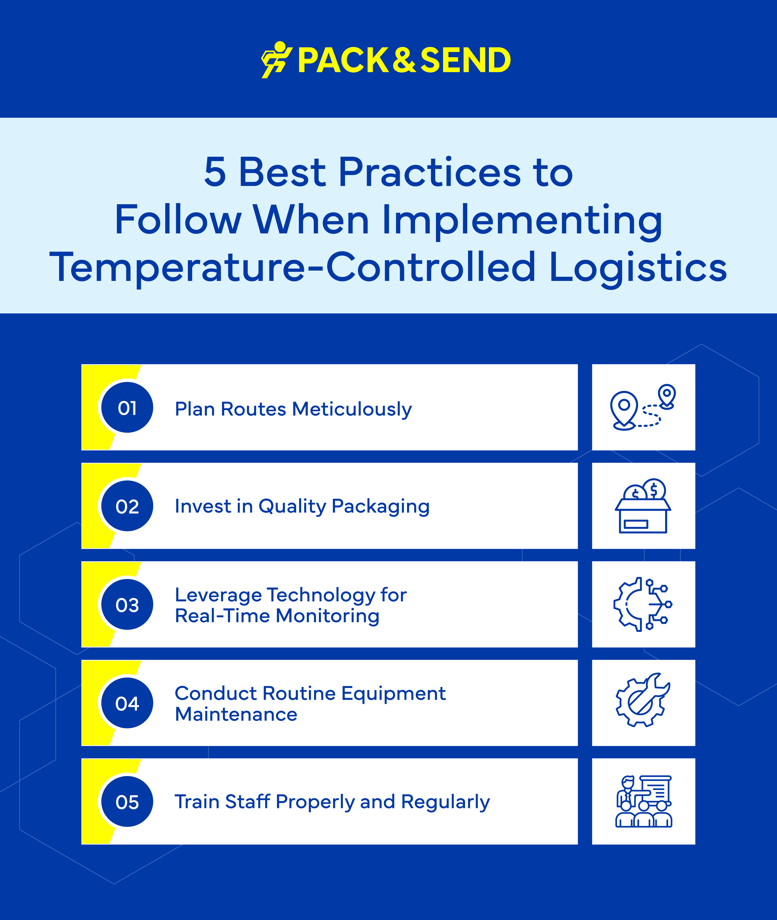
Now that we have learned about the process to follow for temperature-controlled transportation and the benefits associated with it, let us look at some of the best practices you should follow:
1. Plan Routes Meticulously
To ensure that your goods are transported with minimal transit times and with reduced risk of temperature excursions, you must plan your routes carefully.
Factor in the traffic conditions, weather patterns, potential issues, and bottlenecks to select the fastest and most reliable routes.
Lastly, consider creating contingency plans for unexpected delays such as customs holdups and road closures, so that your goods are always handled within required temperature ranges.
2. Invest in Quality Packaging
Purchase high-quality, purpose-designed packaging to preserve the integrity of temperature-sensitive goods.
Consider using insulated containers, gel packs, vacuum-sealed packaging, and even phase-change materials to maintain consistent temperatures during transit and protect the goods against external fluctuations.
Effective packaging can also provide an additional layer of protection during unforeseen delays or temperature spikes.
This is especially important when you are dealing with last-mile delivery or cross-docking transfers.
3. Leverage Technology for Real-Time Monitoring
You should utilize advanced and emerging technologies such as GPS tracking, automated data loggers, and IoT sensors for real-time and consistent monitoring of humidity, temperature, and location.
For any deviations from the ideal temperature conditions, enable instant alerts that will help you take quick corrective action and reduce the risk of cargo spoilage or rejection.
You should also utilize digital monitoring to maintain comprehensive records for audits and compliance.
4. Conduct Routine Equipment Maintenance
Conduct regular inspection and maintenance of your refrigeration units, insulated containers, and temperature monitoring devices.
Doing so and taking a proactive approach to your maintenance will help you prevent equipment failure and ensure that all your systems are operating optimally, thus identifying potential issues that could cause expensive temperature excursions or breakdowns.
5. Train Staff Properly and Regularly
A lot of personnel are required and involved in handling and managing cold-chain logistics.
From warehouse workers to drivers, each member of your team should know the specific requirements of temperature-controlled transportation.
Ideally, you should include important aspects such as minimizing exposure to ambient temperatures, equipment operation, emergency procedures, and proper handling techniques in your technical manual.
By having well-trained staff and team members, you can also ensure effective resolution of issues and prevent any errors that may compromise product safety.
Concluding Remarks
Managing temperature-controlled transportation effectively requires you to get the careful balance of infrastructure, sustainability, regulatory compliance, and technology right.
The right combination of all these elements, combined with well-trained staff, can help you contribute to the growing cold-chain logistics market.
As a shipper, you need to be aware of the benefits and processes associated with temperature-controlled transportation to minimize spoilage and even financial losses.
Even if you have your cold-chain logistics, you may need extra assistance streamlining your overall shipping and transportation process. Get a quote from the PACK & SEND website to have an experienced partner help you with it.
Frequently Asked Questions (FAQs)
1. Which cargo needs to be transported at a controlled temperature?
If your goods include fresh produce, meat, pharmaceutical products, or goods that require special treatment, they need to be transported at controlled temperatures.
Whether you need to apply your cold-chain logistics to air freight or sea freight shipping modes can be decided based on your budget and delivery timeline.
2. What kind of temperature control is required for transporting food products?
Most food items that require temperature control and special conditions during transit should be maintained below 4 °C or above 60 °C, depending on the nature of your food products.
3. Why do goods transported with temperature control get rejected often?
There may be several reasons that contribute to your goods getting rejected at the destination, including improper packaging, delayed transit, poor handling by drivers or operators, and even equipment failure.
All of these situations can lead to your goods getting delayed or spoiled, thus getting rejected.