
Say, you want to ship a valuable 19th-century painting or a digital print of a rare vintage photograph valued to be worth a fortune.
While you may feel that personally delivering them may be the only risk-free option, it is not always viable. Instead, enlisting the help of specialised artwork shipping service providers and freight forwarders who can handle the entire process seamlessly for you is a better alternative.
Even then, the service provider you choose must have enough experience packing and shipping artwork, or handling the whole process. Otherwise, your precious artwork could incur damages during transit and will only lose its value.
With that in mind, let us start by looking at the different types of damage your artwork can incur, before delving deeper into the ways you can prevent it with effective packing and shipping processes:
7 Potential Damages to Artwork That You Should Know About
Artwork, whether it is — a painting, a sculpture, or anything else — is more prone to damage than you may think.
When you are transporting artwork from one place to another, they are even more at risk of getting damaged due to unforeseeable reasons. That said, here are seven kinds of damage you should know about and safeguard your artwork from:
1. Cuts
When your artwork is in transit unless it is in a personal vehicle, it is likely to be carried with other packages, and in such cases, it is prone to get knocked down, dropped or even placed under other packages.
Such situations can lead to cuts that will erode the quality and value of your artwork.
2. Smudges
When transporting a rare painting or artwork, even the smallest smudge can ruin it and cause its value to plummet.
If your painting or artwork is not wrapped properly or secured with enough cushioning or padding material, it is prone to smudging during transit.
3. Dents/Bends
If your artwork is made of metal or similar sturdy material, they are more likely to incur damages in the form of dents or bends.
These also result from getting knocked around or because of pressure from other packages during transit.
4. Abrasions
Abrasions are caused due to friction between items or between items and surfaces. In transit, abrasions can occur if an artwork experiences physical scrapping or its surface gets rubbed by an external object due to a lack of a protective layer.
5. Chemical Damage
Chemical damages during transit are rare, but not unheard of. If your artwork utilises materials that react with chemicals that are easily accessible or placed nearby, chemical damage is highly probable, wherein it may get altered or irreparably damaged.
6. Rodent Damage
Again, when it comes to transporting valuable artwork, shipping service providers are generally very careful, and rodent damage is nearly impossible. However, if the artwork is stored or moved to a place accessible to rodents, it is possible.
Rodent damage can be prevented by wrapping your artwork carefully, boxing it and adding enough layers around it.
7. Water Damage
Regardless of how diligently you pick the shipping mode for your artwork, sudden weather changes such as rains and flooding may be unavoidable and pose risks to your artwork. For paintings and canvas artworks, water damage may be particularly destructive.
You can prevent exposing your artwork to water by wrapping it in adequate bubble wrap and placing it in wooden artwork shipping crates with enough padding and cushioning.
4 Things You Must Consider for Pre-Shipping Artworks
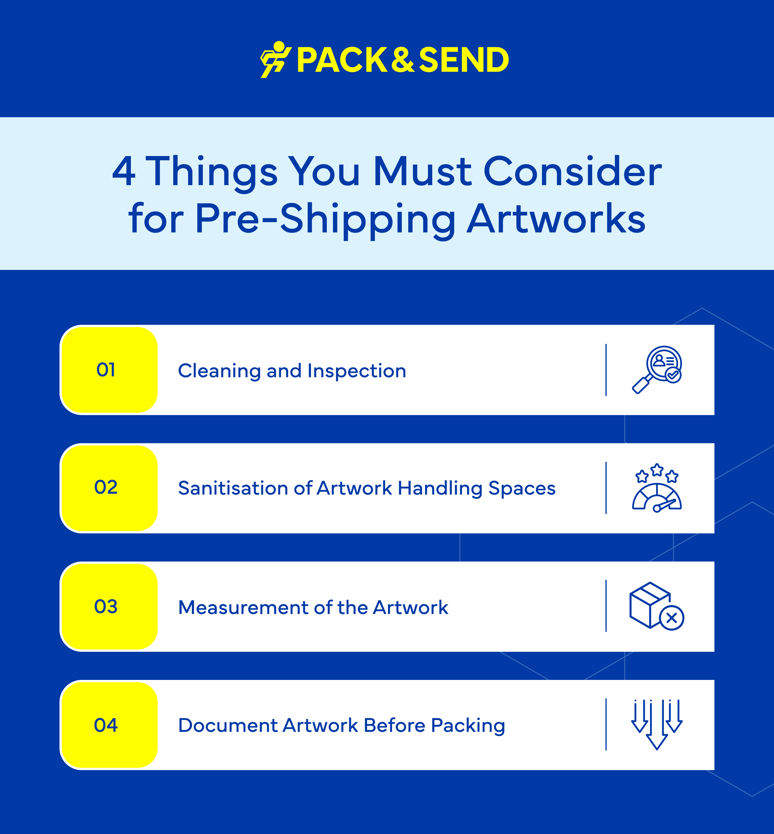
As you may have guessed by now, selecting the right packaging material and process is key to protecting your artwork from damage in transit. In addition to that, here are a few pre-shipping considerations you should keep in mind:
1. Cleaning and Inspection
You may already know that handling valuable artwork is a sensitive and potentially risky process, considering the financial liabilities in case of any mishap. That said, the first step is to clean your artwork diligently and inspect its current condition. The primary goal of this process is to remove any debris or dust that can scratch the artwork.
Ensure to use a soft cloth and go about the cleaning gently without applying too much pressure. Seek the help of an expert if any stubborn stains or marks need to be removed before packing.
2. Sanitisation of Artwork Handling Spaces
While cleaning your artwork is a good start, that alone does not suffice, as you will also need to sanitise and clean the packing station. This refers to the space you will utilise to wrap and pack the artwork.
You can start by wiping down your packing table with cloth or foam to remove any dust or solid debris.
You can then place protective material like a foam or cardboard sheet to safeguard your artwork while packing, and prevent any kind of scruffs or abrasions during the process. If you plan on using any chemicals for cleaning the space (though it is not recommended), ensure that it will not react with the materials used in your artwork.
3. Measurement of the Artwork
Next, you will need to measure the artwork to arrange for packaging boxes or tubes of the same size. To ensure that it is a perfect fit, measure the height, width and length of your artwork.
To measure the artwork properly, use a tape and then remember to choose a box that gives you an additional two inches of clearance space.
The measurement of your artwork will also determine whether you need to opt for a specific shipping mode, in case it is oversized or has odd dimensions.
4. Document Artwork Before Packing
You must document the condition and specifics of the artwork before packing it so that you can thoroughly check it for damages or any issues after it is delivered.
Ensure to take photos of the artwork from all angles, as it will also serve as evidence of its original condition before shipping, in case you need to register an insurance claim later. Aside from visual documentation, you should ideally record details about the artwork in a text document too.
5 Factors to Consider When Packing Your Paintings and Artwork for Shipping
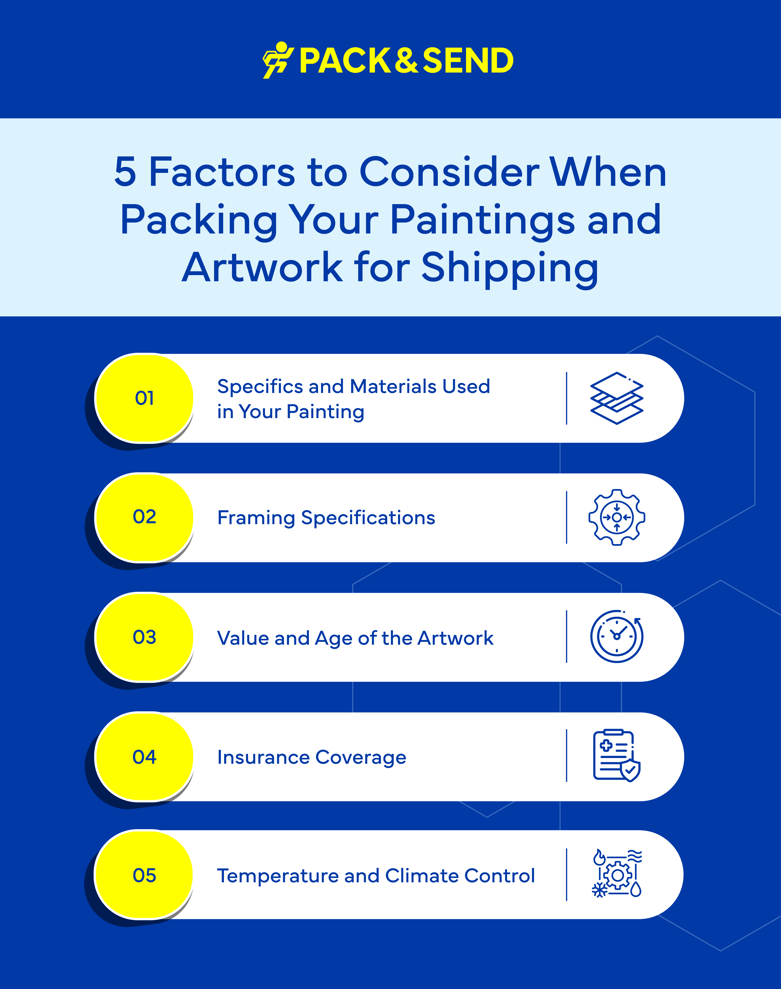
Now that we have learned about the different kinds of damages your artwork can incur during transit, and the pre-shipping considerations you should bear in mind for a safe journey, let us look at the actual process of packing and shipping them.
Here are some of the primary factors to consider when packing and shipping artwork:
1. Specifics and Materials Used in Your Painting
What kind of materials are used in the artwork? Is it a painting on a canvas or a framed vintage photograph?
These are specifications that play a pivotal role in determining the kind of packaging you should opt for ensuring the safety and quality of your artwork, from origin to destination. Determine the different materials used in your painting such as watercolour, acrylic or oil paints, or digital print.
For instance, an oil painting has to be treated differently than a digitally created art print. It also defines the materials and elements that can come in contact with the artwork without being detrimental to its quality and condition.
2. Framing Specifications
Recall how we just talked about artwork shipping boxes and tubes. Shipping tubes entail rolling an artwork and placing it in a layered and protective tube during transit. However, this packing method is possible only for unframed artworks that are not on a canvas.
In the case of framed art, you may opt for boxes instead. You may also need corner protectors to safeguard the edges from breakage. In either case, you must first measure the dimensions of your artwork and base your decision on its size and condition.
3. Value and Age of the Artwork
You must also assess the fragility and value of your artwork so that the senders and buyers can choose the right packaging materials, insurance cover, and shipping methods. Moreover, the age of your artwork will determine how much care will go into handling and shipping it.
Artwork may require you to use specialised packing techniques and materials, unlike the process of packing and shipping any other item, and may even influence your decision to purchase and select appropriate insurance coverage.
4. Insurance Coverage
Obtaining a warranty or insurance for shipping artwork before packing it is important, especially if it is valuable. Doing so will help you get compensation for any loss or damage to the artwork while it is in transit. However, to ensure that this process is carried out simply and seamlessly, document the original condition of your artwork and record its value.
5. Temperature and Climate Control
Certain artworks, depending on the materials used, are more susceptible to alteration or damage due to temperature fluctuations. If your artwork falls into this category, consider using climate-controlled packaging or choose carriers that offer climate-controlled options.
9 Tools and Equipment Used for Wrapping and Shipping Artwork
Now that we have looked at everything you need to know and keep in mind while packing and shipping artwork, let us look at the materials. Here are some of the crucial tools and equipment used when you are packing artwork for shipping:
1. Box Cutters
Ensure you have a high-quality box cutter or knife with multiple blades as it will be one of the most crucial tools when packing and shipping artwork.
You will be cutting a lot of cardboard in the process and don’t want to end up relying on tools that will slow you down. Whether you choose a knife or box cutter, ensure it is sharp and sturdy.
2. Marker/Pencil
When working with box cutters to cut cardboard boxes for your artwork, you want to ensure that the size and dimensions are perfectly marked.
While you may use anything to mark the cardboard, using a marker or pencil is the best way to make bold and definitive lines so you can easily cut through the cardboard.
3. Measuring Tape
Remember how we talked about measuring the artwork before you start packing it? Well, you will also need to measure the artwork shipping box and cardboard or foam sheets based on the dimensions of your artwork before you begin cutting them.
For all this, you will need a measuring tape to help you get an accurate idea of the artwork and packaging dimensions.
4. Cardboard Boxes
Corrugated cardboard boxes are commonly used for packaging to prevent any kind of physical damage and in cases where your artwork is framed and can’t be rolled into a tube.
Your nearest hardware store or supplier is most likely to have access to at least three different dimensions in cardboard boxes.
You can also opt for telescopic boxes which can be merged to make large artwork shipping boxes if your artwork is oversized. Regardless, these cardboard boxes are quite cost-effective and provide protection to your artwork, keeping them safe in transit.
5. Bubble Wrap
Whether you are wrapping an oil painting or an ancient sculpture for shipping, you are going to utilise bubble wrap at some point.
Often used for wrapping and adding more cushion to the wrapped item, bubble wrap can protect items across a wide area by distributing pressure.
By wrapping your artwork in bubble wrap, you can ensure that it does not move around too much during transit, thus acting as a filler material and preventing damage.
6. T-Square/Scale
You must be diligent when packing artwork, so don’t hesitate to use a T-square or scale to get your markings straight and right while cutting or modifying flat shipping boxes for artwork.
If you don’t have access to a t-square, you can also use a scale or something similar to measure your boxes and make perfectly straight cuts.
7. Palette Tape & Wrap
Palette tapes & wraps are very useful and yet criminally underrated when packing valuable items such as artwork and antiques.
While many companies and individuals choose acid-free tissue paper to wrap artwork, adding an extra layer of palette wrap, which is very similar to the clingfilm you use in the kitchen, helps protect your artwork even more.
8. Protective Corners
If you are shipping framed artwork, you must use corner protectors to protect its edges. The corners of framed art are prone to breakage during transit, making it important to include foam or plastic corner protectors for shipping artwork in your packaging material list.
9. Packing Tape
When shipping fragile or valuable artwork, packing tape plays a big role in securing the cardboard boxes and shipping tubes. If you sell artwork under a brand, you can also personalise your packing tape, making it a part of your overall branding strategy.
5 Common Methods to Consider for Artwork Shipping
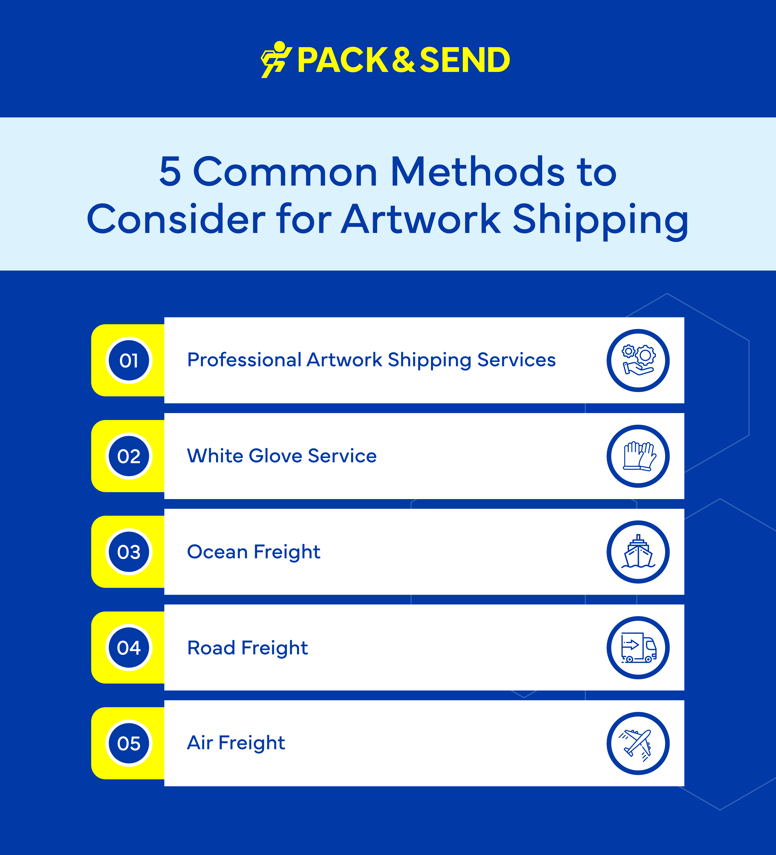
Now that you know the materials and tools to use when packing artwork for shipping, let us look at the common shipping methods you can consider:
1. Professional Artwork Shipping Services
When it comes to packing and shipping valuable artworks, you need a company you can rely on and have extensive experience dealing with them. While there are plenty of 3PL service providers and courier companies with expertise in dealing with artwork, it is best to opt for professional artwork shipping companies with experience transporting valuable artwork across the country and borders.
2. White Glove Service
White glove services refer to companies specialising in transporting highly valuable and luxury items between destinations.
Unlike other service providers mentioned in this list, white-glove services are expensive but provide premium services, guaranteeing safety and careful handling of your priceless artwork.
3. Ocean Freight
One of the best ways to transport your artwork if the delivery is not too time-sensitive is ocean freight.
Referring to the transportation of goods and artwork in a vessel through oceans, ocean freight is a great transport option for companies that deal in large trade volumes.
So, if you have multiple artworks to transport, and aren’t in a hurry to deliver them to the destination, transport them using ocean freight.
4. Road Freight
Transporting your artwork from one state to another within the country? Opt for road freight to transport them using trucks.
Your artwork is more susceptible to damage using this shipping method, so if you choose this method, you must ensure that you pack it properly using layers of packaging materials.
Depending on the distance between the origin and destination, road freight could be the most efficient or the slowest shipping method to transport artwork within the country.
5. Air Freight
Whether you are shipping artwork internationally or domestically, air freight will always be an accessible option.
It is more expensive than road freight but cheaper than ocean freight and is perfect if you want to deliver your artwork to the destination location in the shortest time possible.
8 Best Practices to Follow When Shipping Artwork in 2025

Let us look at some of the best practices to follow when shipping artwork, nationally and internationally in 2025:
1. Determine Ideal Shipping Methods for Domestic and International Shipments
As we just learned, there are multiple shipping methods and speeds to choose from, whether you are transporting your artwork nationally or internationally. The best way to ensure that your artwork reaches the destination safely and as expected is by choosing the right shipping method.
If you want your artwork to reach the destination quickly without costing you too much, air freight may be the best option. On the other hand, you may choose road freight or ocean freight if you are not in a hurry, but the latter option could be quite expensive.
2. Create a Pre-Shipping Checklist
Your artwork may be made of multiple components. Or, maybe there are special handling, packing and shipping instructions that you want the people handling your artwork to consider.
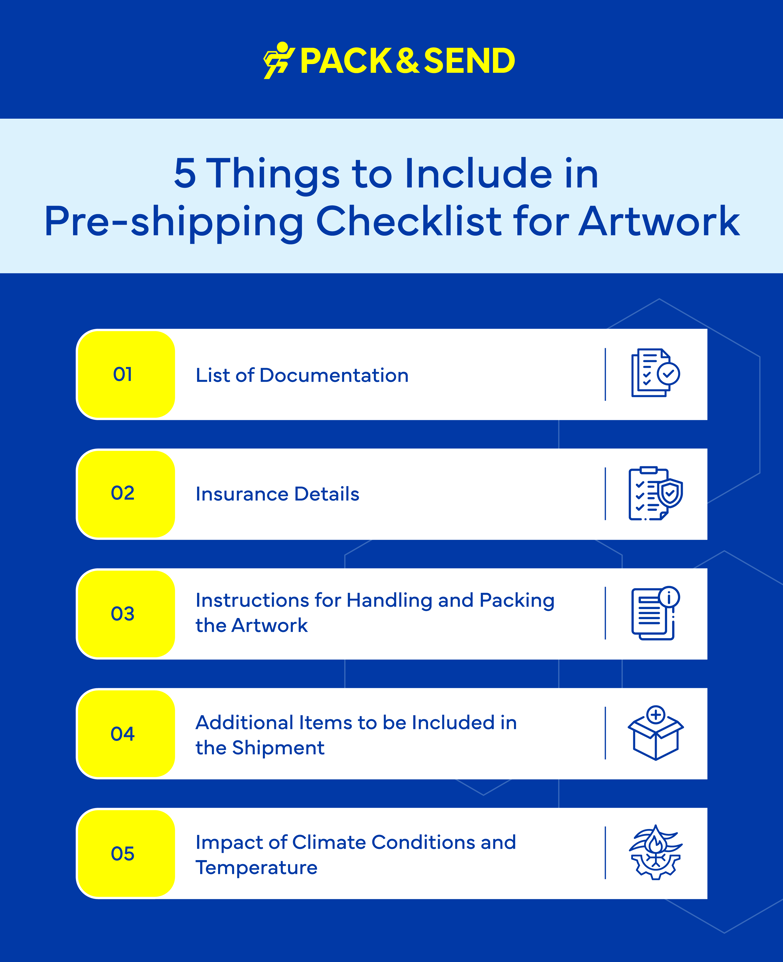
In any case, you will have quite a few things to take care of before shipping your artwork. At the very least, you must create a pre-shipping checklist that includes tasks and activities to be carried out before your artwork is shipped.
Your pre-shipping checklist must include, even if it is not limited to:
-
List of documentation
-
Insurance details
-
Instructions for handling and packing the artwork
-
Additional items to be included in the shipment
-
Impact of climate conditions and temperature
3. Track Shipments in Real Time
While most shipping service providers let you track shipments in real-time right until delivery, it is especially crucial when shipping valuable antiques and artwork.
Real-time tracking allows shippers and recipients to monitor the exact location and status of the artwork during transit with the help of tracking numbers. As a result of this transparency, you can respond better to potential issues such as misrout or delays.
4. Integrate Technologies Into Shipping Processes
Incorporating technologies in the process of shipping artwork can help you streamline it, and make it more efficient.
You can use different kinds of software solutions such as automated tracking systems, digital documentation, and even inventory management systems to make the artwork shipping process more accurate and enhance its performance.
Many shipping service providers also leverage QR codes and cloud-based systems at different process stages for better verification, validation, and management.
5. Adopt Sustainability Practices in the Shipping Process
Regardless of whether you choose road freight, ocean freight or air freight for your artwork shipping, you are probably increasing your carbon footprint and there is very little you can do about it.
When compared, air freight shipping is the transport mode that contributes to carbon emissions the most.
However, by integrating sustainability into your shipping practices, you can reduce the overall negative impact.
Simple steps such as opting for eco-friendly packaging material and reusable boxes for shipping artwork will help you reduce the overall environmental impact without compromising on its safety and condition.
6. Set down Clear Communication Protocols
Whether you are shipping artwork or any other item of value, establishing clear communication protocols between the parties is essential.
From assigning specific responsibilities and roles to individuals involved in various parts of the shipping process to providing regular updates to clients, your communication protocols can help you streamline the process further.
Updates include the live status of the shipment, expected turnaround and delivery times, and any foreseeable issues, which can all be figured out with the help of effective shipment tracking.
7. Automate Steps in the Shipping Process
Automation can help you maximise the efficiency of your shipping process and help implement more powerful systems for managing inventory, shipping labels, and payment processing.
Moreover, automation will help you save time and steer clear of manual errors in the process — an especially important factor when shipping artwork.
Most automation tools will also help you create optimal routes and shipping turnaround times to further improve your operational efficiency.
8. Opt for a Comprehensive Insurance Coverage
Artworks are usually valuable artefacts that cost a lot of money. When dealing with such precious items, you must get appropriate insurance or warranty coverage.
Doing so ensures that you get compensated in case of any loss or damage to the artwork. However, you must document the original condition of the artwork, before packing and shipping it to validate any warranty or insurance claims.
Concluding Remarks
Shipping artwork can be tricky especially when doing so internationally, considering the intricate planning and steps involved in the process.
As the market for commercial art expands, shipping artwork will be an essential part of earning for several artists.
This makes it even more important for artists and art shippers to consider a combination of the aforementioned factors for the packing, handling and shipping processes to be successful.
Alternatives, consider getting a quote from the PACK & SEND website, to partner up with a company that has the necessary expertise and experience to ship your artwork to local and international destinations.
Frequently Asked Questions (FAQs)
1. How to ship artwork?
Artwork shipping requires you to figure out the right packaging material depending on the nature of the artwork, pack it properly, add the necessary labels and choose the right shipping method.
You can ship artwork on your own, or seek the help of an experienced freight forwarder or specialised artwork shipping service provider.
2. How to ship framed artwork?
Shipping framed artwork is not a very flexible process as it is important to package it properly to prevent damage.
Framed artwork must be transported in a wooden crate or a corrugated cardboard box after being thoroughly wrapped and cushioned by bubble wrap.
You should also place corner protectors in the box to prevent damage to the edges.
3. How to ship canvas artwork?
Shipping canvas artwork is slightly more complicated compared to an unframed digital print or painting.
Depending on the paints used on the canvas, using acid-free tissue paper to wrap it might be a good idea along with some cling film.
Then, you must add extra cushioning by bubble wrapping it in placing it in a sturdy box for shipping.
4. How to ship large artwork?
If your artwork is large but unframed, and rollable, the best way to ship it is in a shipping tube. Not only do they provide a protective layer for your artwork, but they are also more easily manageable.
On the other hand, you may have to consider using a sturdy cardboard box or crate if you are shipping large artwork that is framed or on a canvas.
5. How to pack artwork for shipping?
Packing your artwork properly comprises half the process of shipping it safely from the origin to the destination.
Regardless of the shipping method you choose, you have to wrap your artwork properly with a palette wrap or acid-free tissue paper, before packing it in a shipping box or shipping tube after bubble wrapping it.