
An increasing number of businesses are setting up digital stores as online shopping is constantly on the rise.
While the eCommerce giant Amazon now ships around 17 to 24 million packages a day as of 2025, other players are also registering record-breaking shipments daily.
To deliver these shipments accurately, companies are strengthening their logistics as it is the backbone of the eCommerce industry. Furthermore, there are two types of addresses that online stores need to process the orders seamlessly: one is the billing address, and the other is the shipping address.
In this guide, we will discuss the difference between billing and shipping addresses. Also, we will dive deeper into the importance, usage, and implications of correct and incorrect addresses.
How Does Online Payment Processing Work?
As online shopping continues to grow in 2025–2026, businesses are receiving more payments in digital form than ever. Hence, eCommerce platforms need to streamline their payment processing systems to ensure smooth operations.
To set up an online payment system, three key parties are involved:
-
The merchant (You): Whether you're running a pure-play online store or adding eCommerce capabilities to your retail business, you'll need a merchant account to receive payments. A merchant bank accepts the payment and credits it into your account.
-
Technology stack: Two technologies execute the transaction. First, the payment gateway connects your site’s cart to the processing network. Second, the payment processor communicates with the gateway, checks if the payer has sufficient funds, and deposits the money into your merchant account.
-
Your customer: The customer pays via credit card, debit card, or alternative digital methods. Their issuing bank verifies the transaction. This is where the billing address plays a crucial role — it must match what's on file with the issuing bank to complete the payment.
As a business owner, it’s essential to compare payment processing providers not just on fees, but also on their fraud detection capabilities and ability to process payments quickly. In 2026, tools with AI-powered fraud checks and faster AVS (Address Verification System) integrations are becoming standard.
What is a Shipping Address?
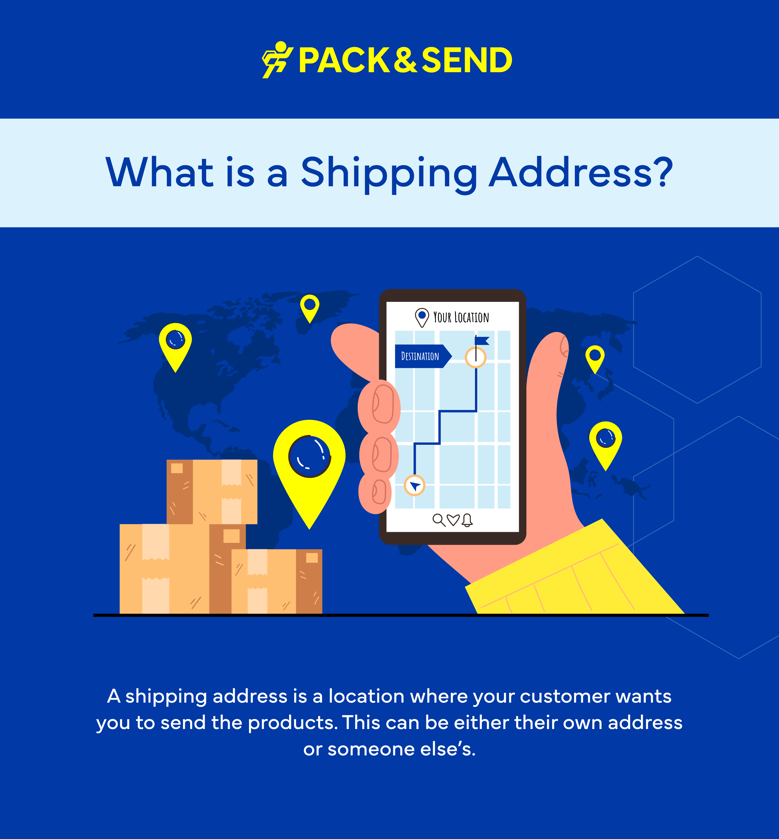
A shipping address is a location where your customer wants you to send the products. This can be either their own address or someone else’s.
Here are some of the reasons your customer may choose a different shipping address other than their own:
- They are buying a gift for someone
- They want the product at their workplace
- They have donated products to an individual or organisation
- They want to surprise family or loved ones
- They are not available at their place temporarily
There are many such scenarios — and each highlights why understanding the shipping address meaning is critical for accurate fulfilment.
By ensuring you collect and verify the right shipping information, you reduce the chances of failed deliveries, returns, and added costs, which are increasingly expensive for businesses in 2026, especially with rising last-mile delivery fees.
What is a Billing Address?
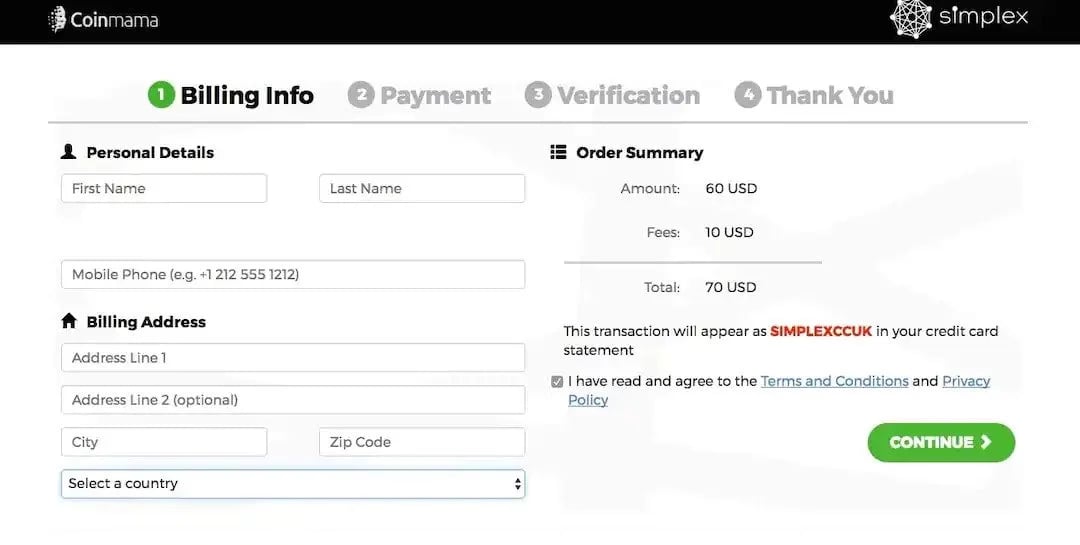
A billing address is an address that is registered with your customers’ bank accounts, debit cards, credit cards, or any other financial instruments they use for their transactions.
The common practice is keeping your residence address as the billing address, but it is not always the case.
For instance, if someone recently moved but hasn’t updated their bank account details, their billing address may still point to their previous residence. This can lead to declined transactions or security flags during checkout.
It’s essential to educate customers to use the billing address that matches what their bank has on file, especially as more financial institutions in 2025–2026 are tightening verification protocols to curb payment fraud.
How to Find Your Billing Address?
Most of the time, your current residential address is your billing address unless you have not updated your bank about the change of address.
Whatever the case may be, if you are not sure what’s your billing address, you can find it by:
- Checking your monthly credit card statement (Hard copy or E-statement)
- Logging into your internet banking or phone banking app
- Calling your bank’s customer service number
Knowing your correct billing address is essential for successful online payments and identity verification. In 2026, most payment gateways use enhanced AVS checks to match the address with what's registered with the issuing bank. If it doesn’t match, the payment may fail — even if the card number is correct.
What is the difference between shipping and billing address?
Though billing and shipping addresses indicate a physical location, their definition, usage, and implications are quite different. Let’s take a closer look.
Definition
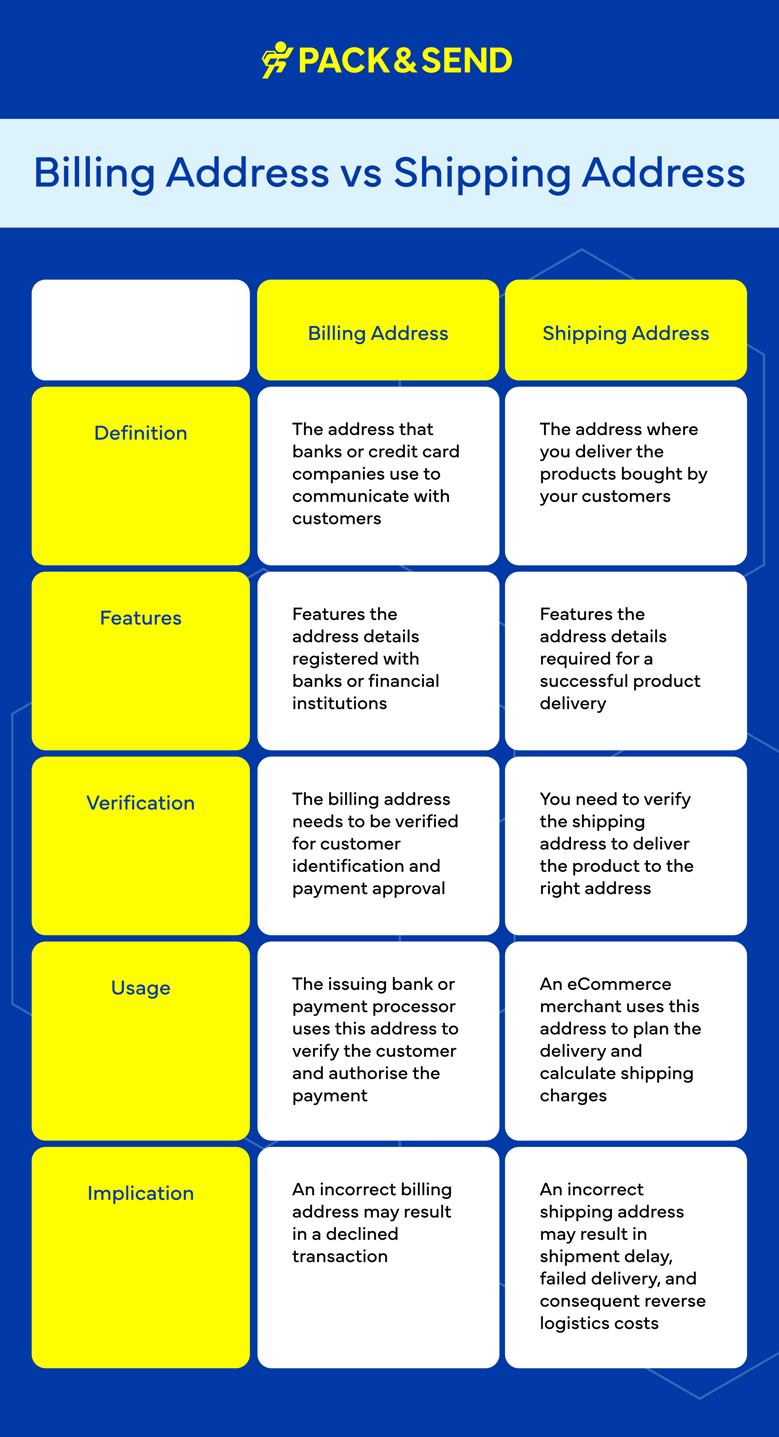
As already discussed, the billing address is where banks or financial institutions send important communications to your customers. Whereas shipping address is the location where you deliver the products shopped by a customer through your platform.
Features
When you fill the checkout form, you would not see any difference between billing and shipping addresses. They both feature almost the same information to be filled in. However, they have different purposes, which we will discuss below in detail.
Verification
The shopping websites use a technology called Address Verification System (AVS) to verify a customer’s billing address. To verify a shipping address, you can either call the customer or install an address validator on your website.
Usage
- Billing address: When a customer purchases from your website, the issuing bank or payment processor verifies their identity through the billing address before authorizing the payment.
- Shipping address: Once you have the shipping address, you can plan your delivery accordingly. It also helps you calculate the shipping charges for the goods to be delivered.
Implication
Having an incorrect billing address can lead to:
- Exposure to confidential information: If your customers have not updated their billing address with their bank, their sensitive financial information can be exposed to the wrong person. It applies to both; individuals and businesses alike.
- Non-verification during online purchases: If the billing information you enter on the shopping portal does not match the address registered with the financial institution, they may refuse the verification and transaction.
- Delay in receiving important information: In most countries, Government and public organizations communicate on your billing address. In such cases, your important letters may get delayed or lost.
At the same time, a wrong shipping address may lead to:
- Incorrect shipping charges: Since your system calculates the delivery charges based on the shipping address entered by a customer, a wrong address generates incorrect delivery fees. If you have charged less, it may increase your cost and if a customer pays more, it may upset them.
- High costs for your business: Having incorrect shipping addresses result in the shipment returns and so the entire supply-chain reversal. Thus, your labour and shipping costs can increase two to three times.
Delay or loss of shipment: As the shipment goes through the entire logistic cycle again, it reaches the correct destination much later than promised. This could result in either a refund or an angry customer, none is good for your business. Also consider, if the product is perishable, you end up bearing a 100% loss on that order.
Billing Address vs Shipping Address
Here’s the comparison table of the difference between billing and shipping addresses for easy reference:
Why is it important to collect both billing and shipping addresses in 2026?
Now that we have compared the billing address vs shipping address, let’s understand why it’s important to collect these details and how it can benefit your business and customers.
Faster Checkout
Do you make faces when you have to re-enter your billing and shipping details every time you shop online?
Most likely, your customers also hate it. According to Baymard Institute’s 2025 study, around 18% of shoppers abandon their carts due to a long or complicated checkout process.
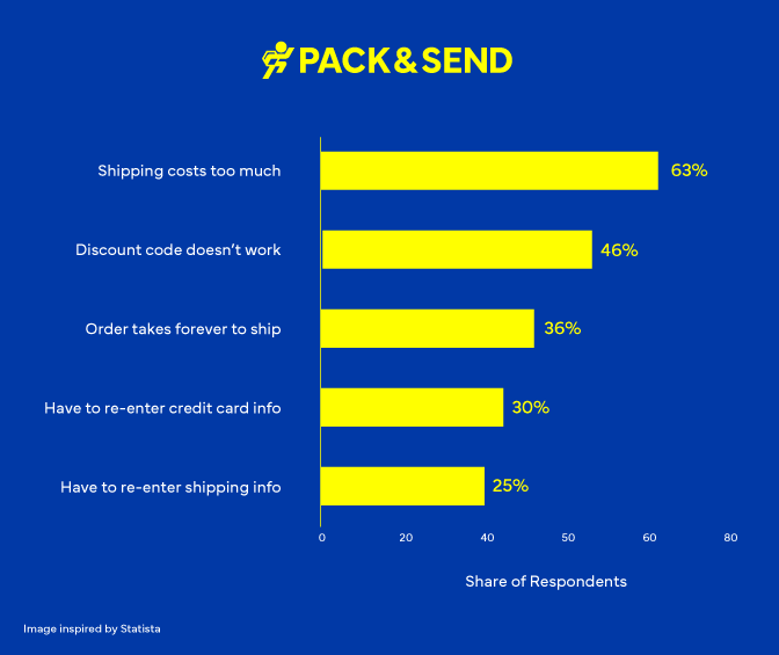
Apparently, not just your customers but we all want a quick checkout experience.
Even 52% of the eCommerce merchants believe that friction at checkout is the top reason that customers abandon their carts.
Here’s how you can change their checkout experience by providing them options to save multiple billing and shipping addresses in their account so that they can just select the address instead of typing them all over.

Thus, the checkout process becomes faster and it may also help you reduce shopping cart abandonment on your e-store.
More Convenience and Better Experience
Saving your customers’ billing and shipping addresses not only makes the checkout process faster but also provides more convenience to them.
Moreover, when your consumers see their addresses at checkout, they feel more confident about your eCommerce store. This helps you enhance the overall user experience of your website.
Real-time Address Validation
Collecting your customers’ shipping and billing addresses at checkout can help you validate their addresses in real-time. It can allow you to:
- Determine the fastest route to ship your products
- Reduce failed deliveries due to errors in the shipping addresses
- Prevent shipping delays
- Compare and estimate your shipping costs
With modern tools like Google Address API, Loqate, and Australia Post’s AMAS-approved validation services, you can:
-
Prevent shipping delays and address errors
-
Get upfront alerts about incomplete or invalid addresses
-
Dynamically calculate accurate delivery costs
Real-time validation of both the shipping address and billing address helps prevent fulfilment errors and reduces the risk of payment decline — a critical advantage for growing businesses in 2026.
For this to happen, you need to integrate address verification software in your online store. There are also some free tools you can use to validate addresses.
How can you collect billing and shipping addresses without disrupting the checkout flow?
The checkout process is a critical conversion point for eCommerce. Asking for a billing address and shipping address must be done with minimal friction — or you risk losing the sale.
Here’s how Nike collects billing and shipping details while providing a simple yet enhanced checkout user experience (UX).

So, how can you collect both addresses efficiently?
Follow the below tips to collect your customers’ billing and shipping addresses without hindering the checkout flow:
- Take out the distractions: You don’t want unnecessary interruptions like banners, images, or redundant links to ruin your customer’s checkout experience.
- Follow minimalistic design: Keep minimum fields to collect only the necessary information like their name, email address, billing and shipping address etc.
- Allow customers to save details: Include this option in your website so that your customers don’t have to fill in this information repeatedly every time they shop.
- Add live chat or customer helpline number: Consider adding a live chat feature or mention the customer care number in the header or footer section of your checkout so that shopper gets access to immediate help without leaving the checkout page.
-
Use progressive disclosure: Instead of showing all form fields at once, break the address section into logical steps (e.g., first ask for postcode, then load suburb/state automatically).
-
Auto-complete addresses: Use APIs like Google Places Autocomplete, Loqate, or Australia Post AMAS to speed up input and reduce typos.
-
Offer “same as billing address” toggle: But include a confirmation step or visual cue to double-check this selection. Many errors happen when this box is ticked accidentally.
-
Let customers save addresses to profile: Give logged-in users the option to select from previously used billing and shipping addresses.
-
Add live help touchpoints: Embed a floating help widget or display a customer support number throughout the checkout journey, especially near the payment section.
How to Use Billing and Shipping Addresses in 2022?
Besides the mainstream usages of the billing and shipping addresses we discussed above, you can also use them to the advantage of your business and customers.
Reduce Costs of Failed Deliveries
According to Australia Post’s 2025 eCommerce report, failed deliveries due to incorrect addresses cost online retailers an average of $14 per shipment — factoring in reshipping, customer service time, and lost goods.
As an eCommerce merchant, you can save these extra shipping costs by ensuring that customers are entering the right billing and shipping information during checkout. You can do that by integrating a real-time address validation system on your website or app.
Tools like Loqate, Google Address Autocomplete, and AMAS-certified validation APIs are now standard in most modern checkout flows.
Fraud Prevention
With payment fraud continuing to rise, verifying the billing address with AVS (Address Verification System) is critical. In 2025, Australian eCommerce fraud is reported to be around $260 million, making fraud mitigation more important than ever.
An AVS mismatch alert allows merchants to decline suspicious transactions, especially when the billing vs shipping address differs unexpectedly — a common red flag.
And if they enter a different billing address, you will get an AVS mismatch alert that asks you whether you want to approve or decline this transaction. If you find it suspicious you can deny the order.

Thus, you can prevent such fraudulent activities on your platform and also earn loyalty from your customers.
Sending Loyalty Rewards
You can also use your customers’ billing and shipping addresses to send them greeting cards during festive seasons or on occasions such as their birthdays or anniversaries.
If your eCommerce store has a loyalty program, then you can use these addresses to send the rewards and gifts they earn on your platforms.
This way, you get an opportunity to strengthen your relationships with your customers, keep them connected with your brand, and eventually, have them buy more products from your store.
What are the most common billing and shipping address errors in 2026 and how can you resolve them?
One of the challenges of selling goods online is the potential for error due to the number of digital touchpoints between an order taking place and getting fulfilled. While some errors may be harmless, billing and shipping information errors have a much greater impact.
Shipping Address Errors and Solutions
A recent study by Loqate found that up to 8% of total deliveries are not delivered on the first attempt. Let’s say you are a mid-sized e-retailer shipping an average of one million packages a year. So taking 5% of the total orders: 50,000 shipments are likely to be affected.
Thus, incorrect or incomplete shipping addresses are quite a pain for online sellers. Let’s take a look at some of the most common errors in shipping details.
Typos
It is very usual for your customers to make typos — typing mistakes or spelling errors — while entering their shipping details such as:
- Name
- Address line 1
- Address line 2
- City
- State
- Country
- Postal code, etc.

Solution:
- Review spelling, street numbers, and zip code manually before shipping
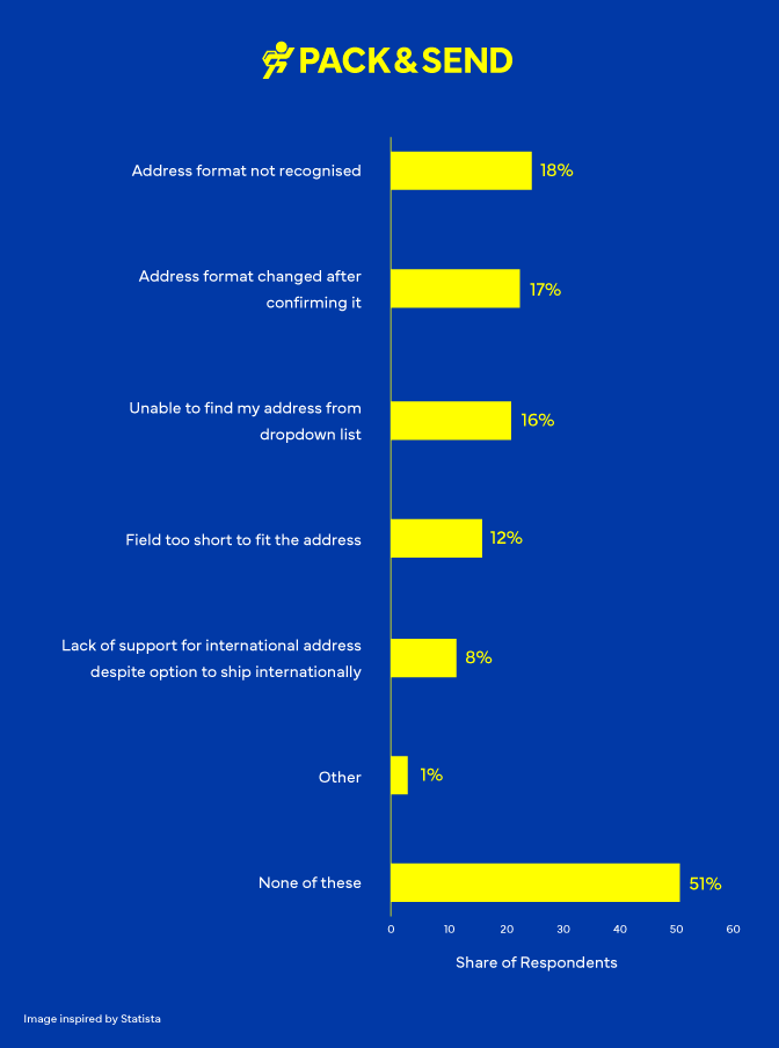
- As shown in the image above, install an address validator on your website that provides real-time corrections to your customers while entering their addresses
Issues on Merchant Site
There may also be some issues with the interface or address forms on your website. Solutions:
- Audit shipping details form on your e-store to check if it has any of the issues mentioned above, and correct them
- Take feedback from your customers about their challenges with regards to your checkout process, especially with the address sections
- Act on the feedback to eliminate any issues highlighted by your customers
Selecting Shipping Address Same as Billing Address by Mistake
Most of the eCommerce sites feature a checkbox in their address form that allows customers to select the shipping address same as mentioned in the billing information. However, some of the customers may tick that box accidentally or without realising that they want their products to be delivered at a different location. This can lead to a failed delivery attempt.
Solution:
- Add a pop up that activates and reminds customers to recheck shipping details when they check the box of shipping address same as billing address
Billing Address Errors and Solutions
In addition to the address errors mentioned above, you may also witness some of the below-mentioned inaccuracies when it comes to billing addresses.
Entering Information in the Wrong Line
For example, your customer may enter the city name in the space provided for state name. While this may not be a significant issue, entering the house or apartment number in the wrong line may result in a failed billing address verification.
Solution:
- You can control such errors by installing an address validator system that recommends corrections in real-time
- Educate your customers about the implications of such billing address errors through your site and email newsletters
Selecting Wrong Address
Let’s say your customer has moved to a new house. They have updated their address with the bank but while ordering from your site they missed out on updating their billing address and accidentally selected the old one. This can lead to a declined transaction and your consumer may get upset thinking it’s an issue with your website.
Solution:
- Remind your shoppers to re-check their billing information before processing payment
- Ask your customers to review and update their details periodically
-
Use an AVS-enabled payment processor to verify billing address before confirming payment.
-
Clearly explain why billing address accuracy matters (i.e., for fraud prevention and successful transactions).
-
Encourage users to review saved addresses regularly, especially returning customers.
What are the best practices to ensure accurate billing and shipping in 2026?
In addition to the solutions for each of the shipping and billing inaccuracies, here are some of the tips that can help you bill and ship your orders accurately and efficiently.
Hire a 3PL Partner
As an eCommerce merchant, once you start processing more than 100 orders a month, it’s best to outsource your logistics to a 3PL partner.
A Third-party logistics (3PL) provider manages the logistical processes including managing inventory, warehousing, and order fulfilment on your behalf.
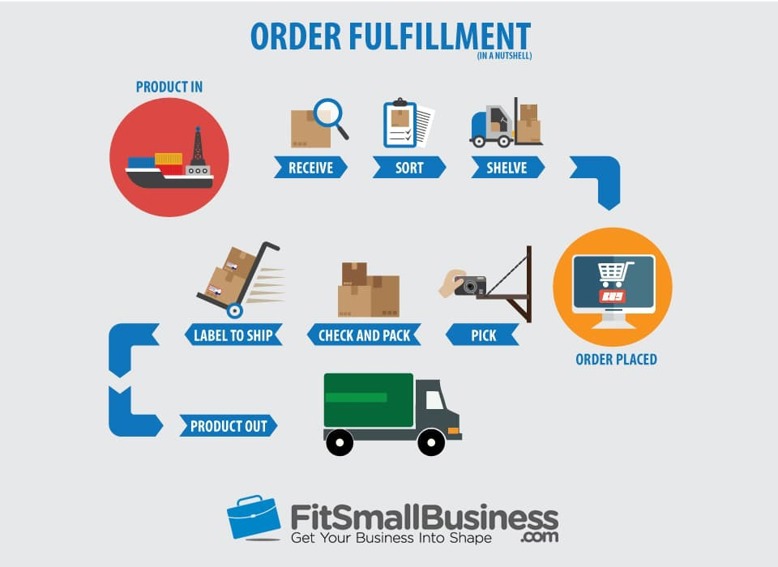
A 3PL will save a ton of time as you can efficiently delegate your logistics and shipping activities to the people who are experts and experienced for these activities.
This helps you focus on your core business activities instead of managing supply-chain, and also improves your shipping accuracy.
Here are the three ways a 3PL partner improves your shipping accuracy:
- Improved inventory management: A 3PL allows you to monitor inventories at each fulfilment centre and sync it with your online store. This can help you order inventory proactively and avoid probable stockouts.
- Optimised picking and packing process: Some of the most frequent fulfilment mistakes occur during the picking and packing stage. Since the third-party logistics providers have state-of-the-art technology and industry expertise, they help you minimise such errors.
- Right fulfilment centre technology: An established 3PL provider like Pack & Send have warehouses and fulfilment centres at multiple locations. Hence, with the right tools and automation, they route your orders through a fulfilment centre that benefits the most to you and your customers.
So if your business is fulfilling over 100 orders per month, partnering with a third-party logistics (3PL) provider like PACK & SEND can reduce human error and improve operational efficiency.
Automate the Order and Shipping Management Processes
With a constant rise in online orders and limited manpower, human errors are also bound to increase. There are two ways you can deal with this challenge: either hire more people or automate your order fulfilment.
Here is a solution: Your third-party logistics partner can provide a warehouse management system (WMS) that allows you to automate processes that simplify the work of an order picker and increase their speed and accuracy. Simultaneously, they also take care of the packaging, shipping, last-mile delivery, and so product returns.
Thus, you can leverage the expertise of your 3PL partner to increase your shipping accuracy, and keep your entire focus on what you the best i.e. growing your business.
Save Addresses to Customer’s Account
Since 80% of customers reuse the same address for online orders, allowing them to save both billing and shipping addresses:
-
Reduces the time it takes to check out
-
Minimises the risk of address entry errors
-
Builds trust by reinforcing familiarity and ease of use
A saved, verified billing address also increases transaction success rates through more consistent AVS matches.
For example, a customer purchased from your website for the first time and you delivered the product to the given shipping address successfully in the first attempt.
In other words, the delivery location is correct. Now, chances are that in future this customer would order at the same address eight out of 10 times he shops from you. Hence, your customer can simply select the address which has a successful delivery record.

Thus, you can save customer’s time and reduce billing and shipping address errors by installing such a feature on your online shop.
Wrapping Up
Although the billing address and shipping address both refer to a location or place, their purpose and significance are different. Correct shipping details can help you plan your shipments, deliver the products to your customers on time, and reduce the costs associated with the failed deliveries. Whereas, a correct billing address protects your customers from identity theft and online fraud.
Similarly, the consequences of errors in these addresses also vary. An incorrect shipping address may end up in a failed delivery attempt, and raising the reverse logistics charges. And a mismatch in billing address can lead to a declined transaction. In both cases, your customer gets upset. Hence, it is wise to educate your customers about the importance of these addresses and follow the tips to reduce the billing and shipping address errors, shared in this guide.
As of 2026, customers expect a fast, secure, and frictionless checkout — so use this guide’s tools and best practices to reduce error, automate where possible, and communicate clearly with your shoppers.
Frequently Asked Questions (FAQs)
What is a billing address used for?
The banks or financial institutions use the billing address to send all the account related communications to their customers. Whereas eCommerce merchants use the billing addresses to verify customers’ identities for a secure transaction and send copies of invoices to their shoppers.
What’s a Shipping Address?
The shipping address is the details of a location where your customer wants you to send the products purchased from your online store. This address can be your customer’s place of residence or work, or it can also be someone else’s address.
Does Billing Address matter?
Yes. The billing address is very crucial when it comes to online shopping. Failing to update your bank about your address change can result in difficulties like identity theft or financial fraud. It is also recommended that you educate your customers to keep their billing addresses updated at all times.
Does the billing address have to match the credit card?
Yes. The billing address must match your registered address with the bank or credit card provider. If it doesn’t match, the payment issuing bank may deny the verification of your identity and your purchase order may decline.
Is the billing address the same as the shipping address?
The billing address and shipping address can be the same for most of your customers, but it is not always the case. Sometimes, it may also happen that a person wants the products to be delivered to a different address than theirs. It may also happen that your customer has moved to a new place but they have not updated their bank.
What happens if you enter the wrong billing address?
If you enter a wrong billing address while shopping online, your bank may refuse to verify the transaction and your order may get declined.
What’s my shipping address?
Your shipping address is the location where you want to receive the products that you bought online.
How to check my billing address?
You can check your billing address on your bank account or credit card statement. You can also call your bank’s customer service or check it by logging into your online banking account.
What is a billing address?
A billing address is the address registered with your bank or credit card provider. It’s used to verify your identity during online payments and to receive account-related communication.
What is billing address vs shipping address?
The billing address is tied to payment verification. The shipping address is where the product is delivered. Both are essential, but serve different purposes.
What happens if billing and shipping addresses don’t match?
Some mismatch is normal (e.g. gifting), but unexpected differences may trigger a fraud alert or AVS (Address Verification System) decline — especially if the billing address doesn't match the bank’s records.
Does billing address affect payment approval?
Yes. Most payment gateways use the billing address to validate transactions. If it doesn’t match your card provider’s records, the payment may be declined.
Do online stores verify billing address?
Yes. Most online stores use AVS or similar tools to verify the billing address before processing the payment to prevent fraud.
Can a wrong billing address cause fraud alerts?
Absolutely. An incorrect billing address can raise red flags with banks and payment processors, leading to declined transactions or identity verification checks.
Does customs check billing or shipping address?
Customs authorities primarily refer to the shipping address and package contents. The billing address is rarely relevant for customs clearance.
Can I change the shipping address after placing an order?
It depends on the retailer and the fulfilment stage. Some stores allow changes before the order is dispatched, but many lock the shipping address once packing begins.
How do billing and shipping addresses affect order fulfilment?
A correct billing address ensures payment goes through. A correct shipping address ensures timely delivery. Errors in either can delay fulfilment or lead to order cancellation.