
With global supply chains becoming more competitive than ever, industry leaders and companies are constantly looking to gain that extra edge.
By making even small improvements and technical tweaks, you can maximize your supply chain performance and improve the effectiveness of your supplier networks.
Even with that clarity, the part that managers and leaders often struggle with is quantifying the performance and improvements.
In this guide, we will look at the most important supply chain metrics any organization must constantly monitor and calculate, starting with defining the meaning of these metrics and their importance for businesses.
Understanding Supply Chain Metrics
Whether you have a growing and evolving logistics operation or a full-scale eCommerce operation, you will deal with myriad supply chain processes.
From maximizing inventory control to optimizing last-mile deliveries, the importance of metrics in supply chain management relies on multiple activities going smoothly.
To assess the objective performance of your supply chain, use supply chain metrics — quantifiable measures that provide insights into your operational performance and efficiency.
Your supply chain metrics will highlight gaps and help you identify issues that must be eliminated to maximize supply chain performance.
Importance & Application
Depending on your operational needs, you can decide how deep you want to go into analyzing your supply chain metrics that matter and which ones to track.
However, if your company’s core operations and performance rely on an efficient supply chain, measuring its performance is not optional.
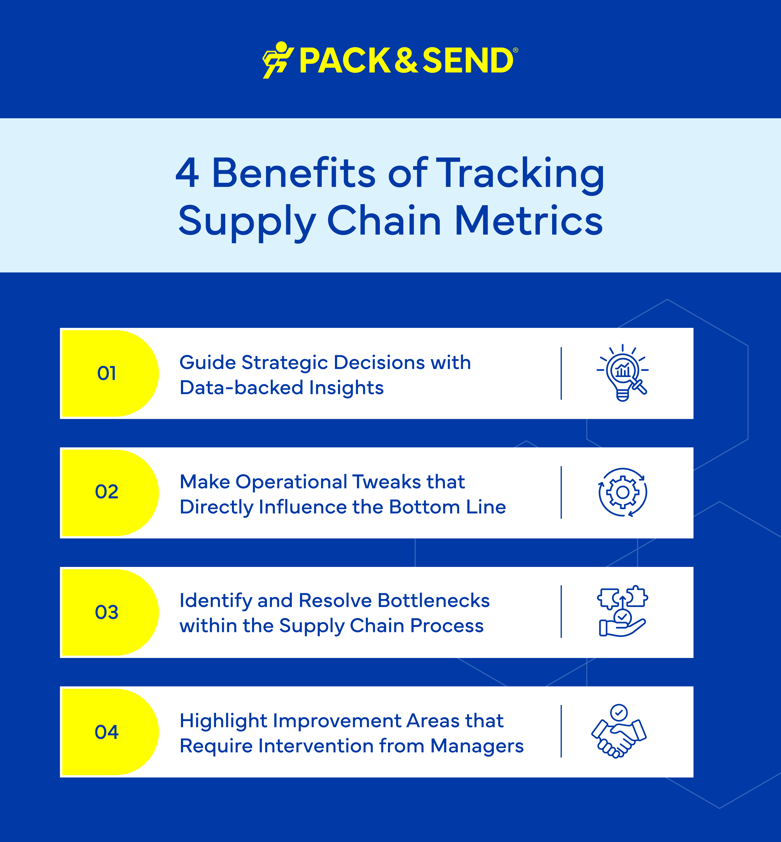
At the very least, you can expect to gain the following benefits for your business:
-
Guide strategic decisions with data-backed insights
-
Make operational tweaks that directly influence the bottom line
-
Identify and resolve bottlenecks within the supply chain process
-
Highlight improvement areas that require intervention from managers
You can use the supply chain collaboration metrics in your processes and decisions to empower your supply chain and logistics processes even further.
22 Essential Supply Chain Metrics to Monitor When Scaling Operations
With that in mind, let us look at some of the key supply chain metrics that you should monitor and measure when scaling your operations.
General Metrics
The metrics that fall under the bracket of general supply chain scorecard metrics involve measures that give you an overview of your supply chain performance.
These metrics may not provide deep insights, but they will inform everything you need to know about your efficiency and performance.
1. Inventory Turnover Rate
The inventory turnover rate primarily measures the number of times your inventory has been sold or replaced over a certain period of time.
The Inventory Turnover Rate is important because it indicates how efficient your inventory management processes and practices are.
A higher inventory turnover rate means that less capital is tied up in stock and thus any risk of obsolescence is eliminated. The formula for the metric is:
Inventory Turnover Rate = Cost of Goods Sold (COGS)/ Average Inventory
2. Order Accuracy Rate
Order accuracy rate, as the term suggests, refers to the percentage of orders that are delivered completely and correctly without any errors.
These errors refer to any quality issues, product mismatches, quantity issues, or even documentation inaccuracies.
Order Accuracy Rate is pivotal in understanding and measuring your customer satisfaction levels, reducing returns, and even minimizing costly corrections. The formula for the metric is:
Order Accuracy Rate = (number of error-free orders/ total orders) x 100
3. Perfect Order Rate
The Perfect Order Rate metric refers to the percentage of orders delivered with assured perfection.
The term ‘perfection’ here refers to on-time delivery, complete and undamaged condition of the products and package, and accurate documentation along with the order or shipment.
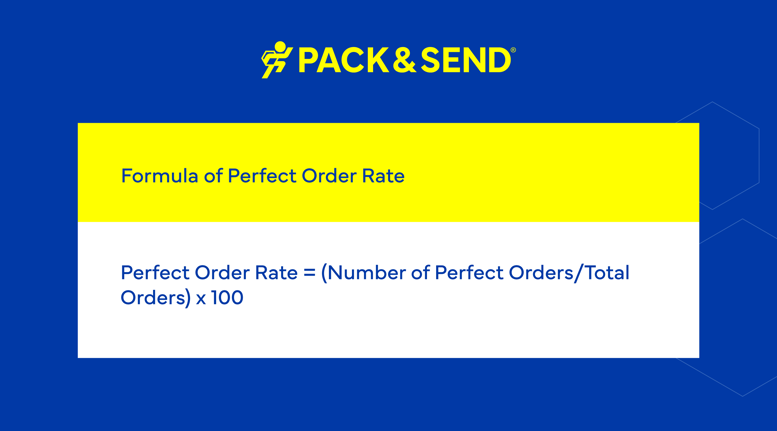
Perfect Order Rate is considered to be an important measure of your supply chain effectiveness and customer service quality. The formula for the metric is as follows:
Perfect Order Rate = (Number of Perfect Orders/Total Orders) x 100
4. Supply Chain Cycle Time
Your supply chain cycle time calculates the total elapsed time from order placement and delivery of the order, assuming the stock is not readily available.
As a result, the supply chain cycle time will account for every activity that plays a role in calculating the overall turnaround time for order fulfillment.
The shorter your cycle time, the higher your operational efficiency and the more responsive your supply chain time. You can impress your clients and retain them longer with short supply chain cycles.
5. Freight Cost Per Unit Shipped
When you are shipping out products in bulk or even if you just have a high shipment volume, calculating freight costs is important to manage your overall shipping budget.
That said, the freight cost per unit shipped will basically tell you the freight cost to be applied when shipping each unit.
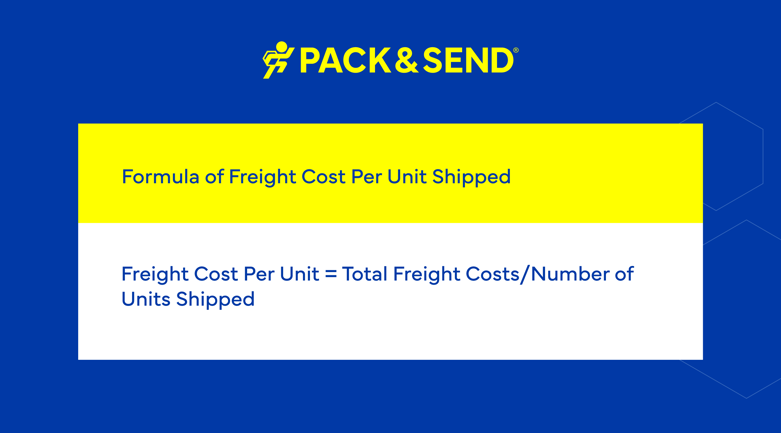
Calculating freight cost per unit will give you detailed insights into the overall supply chain performance and specifically aids you in monitoring and controlling your transportation costs, and eventually your profitability. The formula for the metrics is:
Freight Cost Per Unit = Total Freight Costs/Number of Units Shipped
6. Fill Rate
Your fill rate refers to the percentage of customer demand you have successfully met out of the available inventory without factoring in the backorders.
Bear in mind that a higher fill rate indicates better inventory availability and thus improved customer satisfaction levels, whereas a lower fill rate indicates inefficiencies.
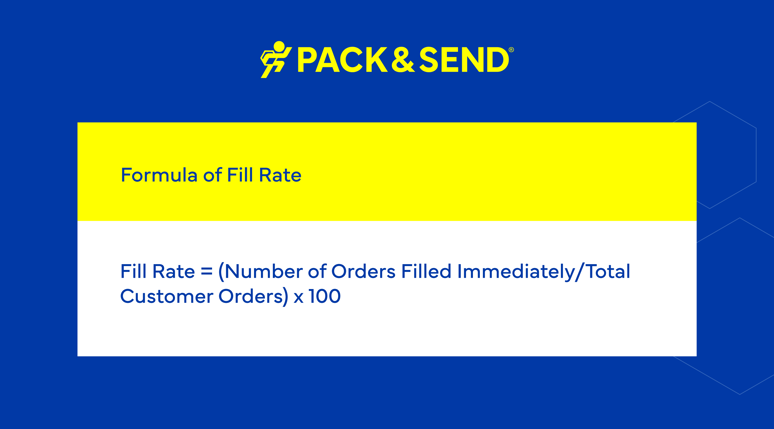
The formula for this metric is:
Fill Rate = (Number of Orders Filled Immediately/Total Customer Orders) x 100
7. Lead Time
Lead time, simply put, refers to the time elapsed from order placement to order delivery.
To understand this in more detail, the time interval between the point in time when the customer has initiated the order and the time that the order is successfully delivered is known as the lead time.
It is also classified as supplier lead time and customer lead time to understand where the increase in lead time is stemming from.
Shorter lead times are a sign of better agility of your processes, and can result in lower inventory costs and faster responses to market demand.
8. Rate of Return or Reverse Logistics Metrics
For any supply-chain-related company wanting to gain a comprehensive understanding of its performance and efficiency, factoring in reverse logistics when calculating supply chain benchmarking metrics is quite important.
The exact proportion of products returned by customers out of those sold, or just the measure of returned products within reverse logistics, is known as the rate of return.
The rate of return will help you assess the product quality and effectiveness of your returns management processes. Lower rates of return are, of course, preferred as they contribute to more revenue and the success rate of your orders.
Supplier Performance Metrics
Aside from assessing and measuring the metrics to measure supply chain performance, you must ensure that each stakeholder in the process is delivering their best with supply chain performance metrics.
Whether you are an online retailer or an eCommerce brand, measuring and optimizing your supplier or vendor’s performance can help elevate your overall supply chain efficiency and performance.
Not to forget, regularly measuring supplier performance measures and metrics in a supply chain environment can help you make informed decisions about continuing to associate with a specific supplier or finding a replacement going forward.
9. Defect Rate
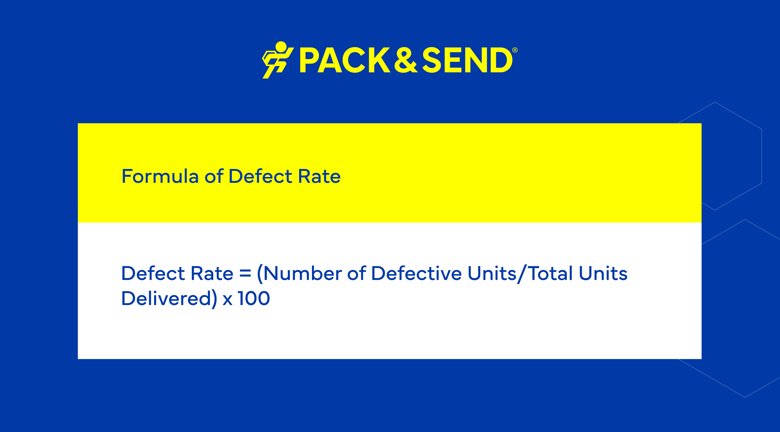
While it may not immediately seem related to your supply chain, any orders or products rejected by customers pinpoint important insights into its performance. Defect rate refers to the percentage of products or materials that are found not to meet the quality standards upon receipt.
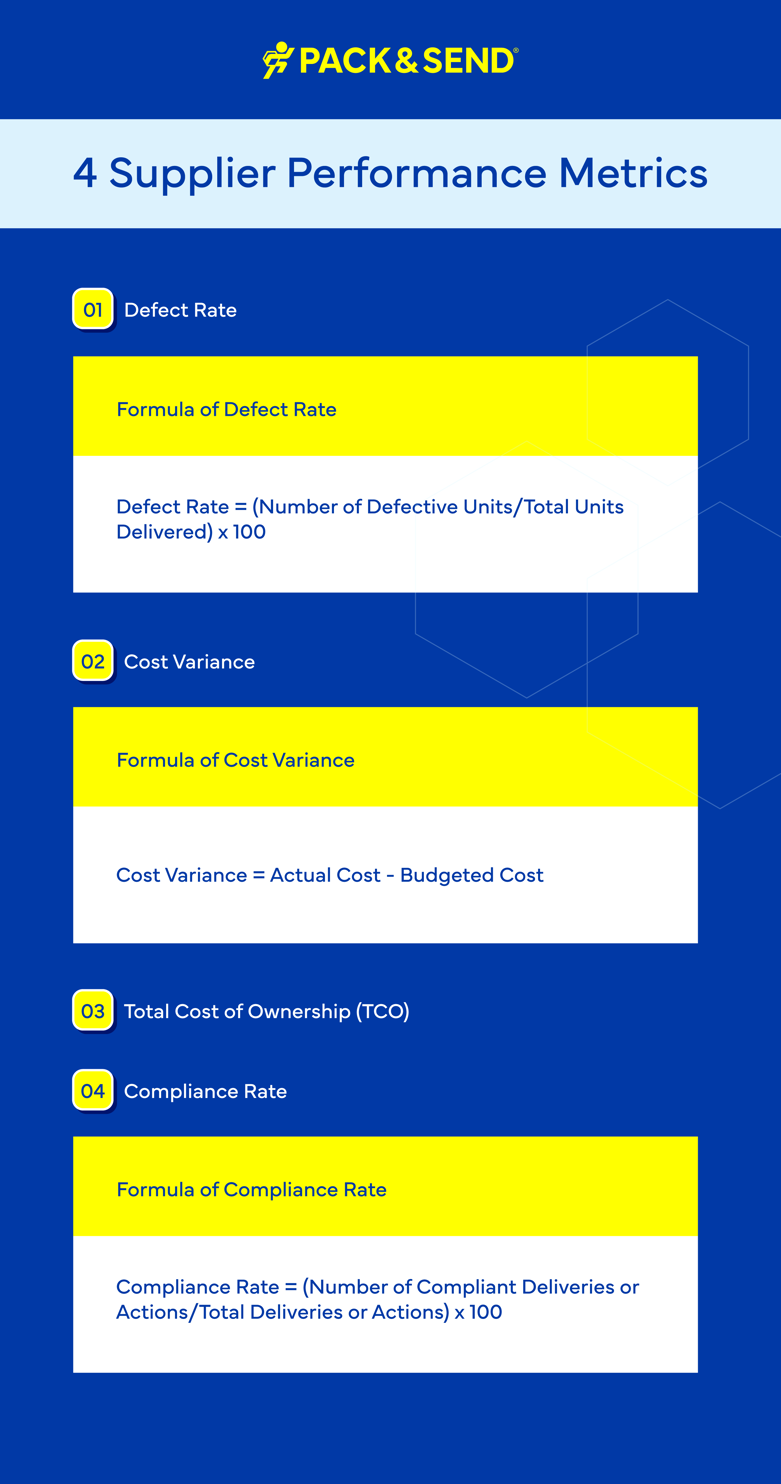
The defect rate is important because higher rates can not only derail your production schedules but also increase rework and cause customer dissatisfaction. On the other hand, lower defect rates indicate greater reliability and cost savings for your business. The formula for measuring the defect rate is:
Defect Rate = (Number of Defective Units/Total Units Delivered) x 100
10. Cost Variance
Cost Variance refers to the difference between the procurement or production costs you have budgeted for and the actual performance. Calculating cost variance will give you deeper insights into your suppliers’ cost control effectiveness and overall procurement efficiency.
If the cost variance is favorable, you can assume higher cost savings, and an adverse cost variance indicates the need for renegotiation with suppliers or alternate sourcing. The formula for this metric is:
Cost Variance = Actual Cost - Budgeted Cost

For example, if a company sets the procurement budget at $300,000, but they end up spending $450,000 instead. The Cost Variance can be calculated as $150,000, which is quite adverse and indicates the need for a supplier inquiry or renegotiation.
11. Total Cost of Ownership (TCO)
Total Cost of Ownership or TCO refers to the sum of all the costs associated with purchasing, operating, maintaining, and disposing of a product or service throughout its lifecycle.
Calculating the TCO can provide a holistic view of your product beyond its purchase price, thus highlighting hidden expenses like storage, transportation, warranty claims, and more.
By calculating the TCO metric regularly, you can choose suppliers who actually offer long-term value rather than just the upfront price.
For instance, you must consider comparing two of your suppliers to see who accounts for lower operational costs, as they are more likely to offer lower TCO.
12. Compliance Rate
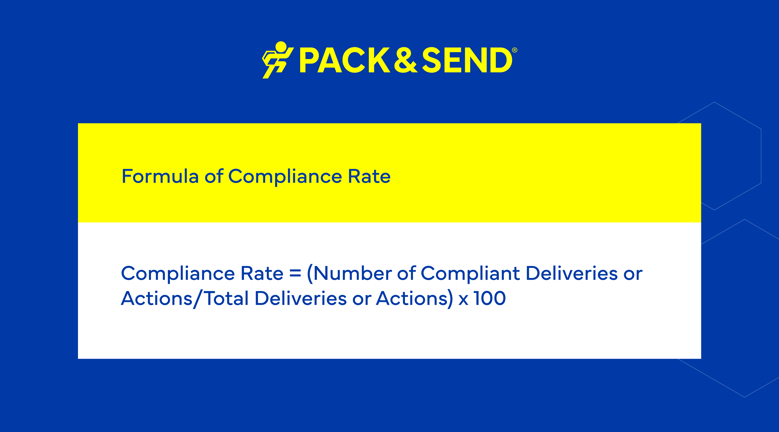
Your Compliance Rate can help you measure the extent to which your supplier adheres to contractual requirements, industrial regulations, or your company standards.
These regulations and policies are usually related to certifications, delivery scheduling, sourcing requirements, and more.
A higher compliance rate can help you reduce operational risks, legal penalties, and supply disruption potential significantly, and vice versa. The formula for this metric is:
Compliance Rate = (Number of Compliant Deliveries or Actions/Total Deliveries or Actions) x 100
As such, you must aim for the highest compliance rate possible; however, as long as your suppliers deliver a compliance rate of > 97%, you can consider them to be reliable and credible.
Warehouse Efficiency Metrics
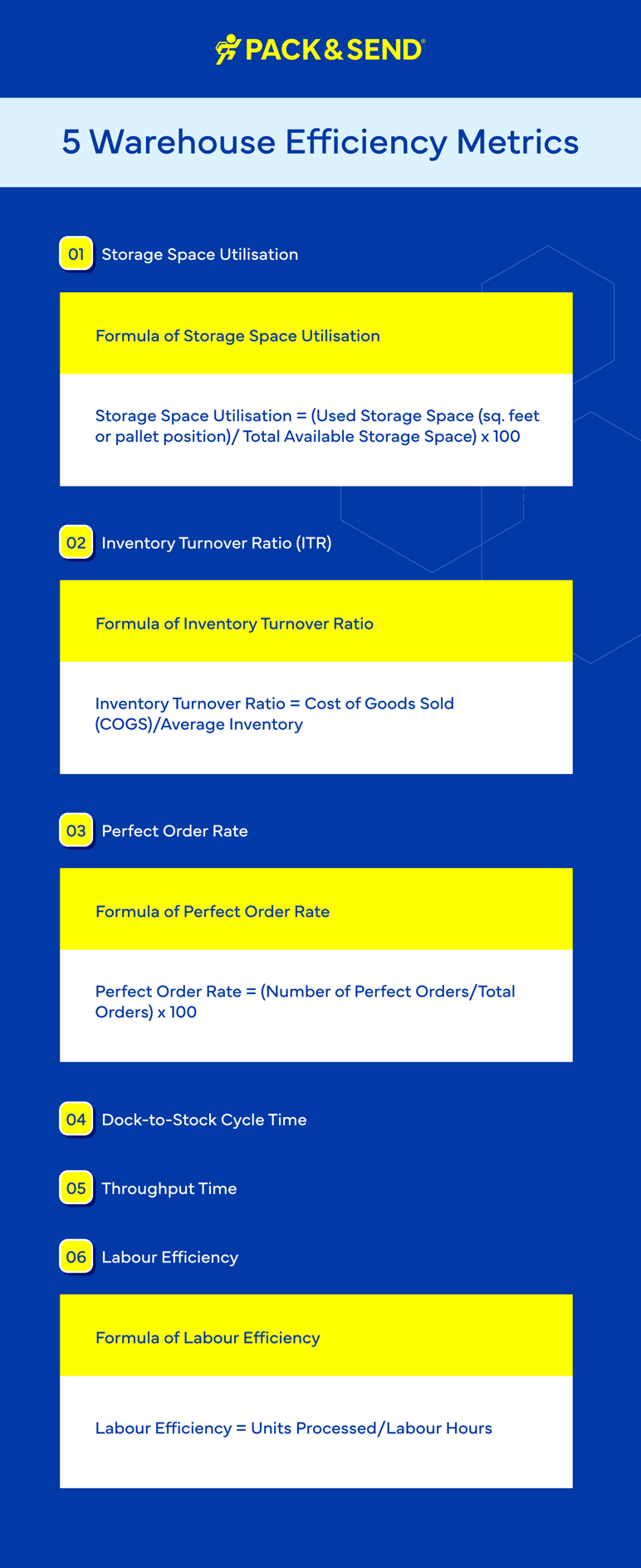
Efficiency metrics of any kind will help pinpoint the extent of resource utilization within your supply chain operations. To maintain the accuracy and precision of your warehouse operations, you must ensure they are efficient with periodic measurement and improvements. If they are found to be inefficient, you must invest time, money, and effort to effectively optimize all the processes.
13. Storage Space Utilisation
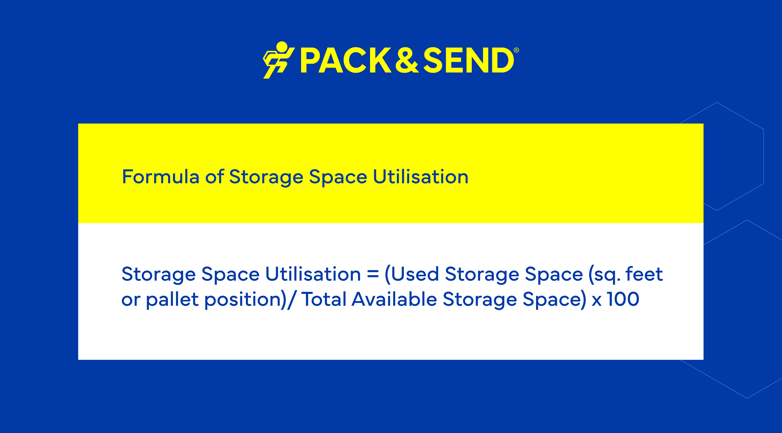
Storage Space Utilisation is a metric that helps you calculate the percentage of the total warehouse storage capacity used for your inventory. In simpler words, you find the answer to the question: how much space does my inventory or stock take up in the warehouse?
The higher and more efficient your space utilization, the more you can maximize your storage and improve your asset ROI. Remember, you must ensure that while you need to fill your warehouse efficiently, you must not overcrowd it to prevent operational disruption or safety issues.
To effectively optimize your warehouse space, you must strike the right balance between utilization and ease of access. The formula for this metric is:
Storage Space Utilisation = (Used Storage Space (sq. feet or pallet position)/ Total Available Storage Space) x 100
14. Inventory Turnover Ratio (ITR)
Inventory Turnover Ratio (ITR) measures the number of times a company sells and replaces its inventory within a specific term or period. ITR helps you measure your inventory management efficiency and sales effectiveness by providing insights into how quickly the inventory will move through the sales cycle.
A higher ITR indicates strong sales and effective inventory management, whereas a low turnover ratio may reveal supply chain issues like overstocking, poor inventory planning, or even weak sales. While a high ITR can minimize risks of obsolescence and reduce holding costs, a low ITR can increase capital tie-ups and inventory storage costs.
The formula for this metric is:
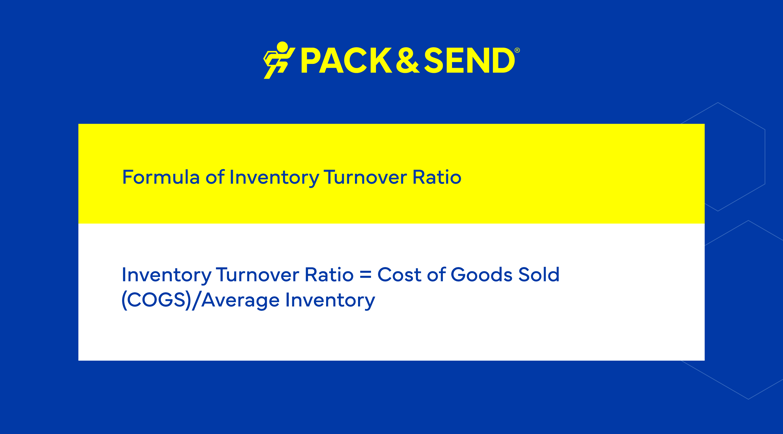
Inventory Turnover Ratio = Cost of Goods Sold (COGS)/Average Inventory
15. Dock-to-Stock Cycle Time
Typically, dock-to-stock cycle time helps you calculate the total elapsed time between receiving goods at the dock and to completion of storage. The dock-to-stock cycle time indicates the responsiveness and process efficiency of your warehouse and impacts your overall inventory accuracy and order cycle times.
To manage and reduce your cycle, you must inspect your process regularly, carry out appropriate documentation, and manage your material-handling processes effectively. In most sectors, including FMCG or JIT supply chains, the dock-to-stock cycle time is maintained at 24 hours or less.
16. Throughput Time
Throughput time refers to the total processing duration from receiving to shipping an order using a warehouse. Throughput time, when measured properly, can help shed light on the operational speed and overall supply chain agility, which impacts your overall customer delivery lead times. As such, maintaining a throughput time of 48 hours is considered ideal for most industries that have already leveraged automation and process optimization to a large extent.
17. Labour Efficiency
Labour efficiency is an important warehouse efficiency metric that helps you measure the output produced per labour hour spent. When the workforce productivity and cost-effectiveness are high, labour efficiency also improves. By improving your labour efficiency, you can not only reduce your operational expenses and improve profitability.
The formula for the metric is:
Labour Efficiency = Units Processed/Labour Hours
For instance, increasing the units picked every hour by 20% can help you cut costs with better training or technology.
Financial and Operational Metrics
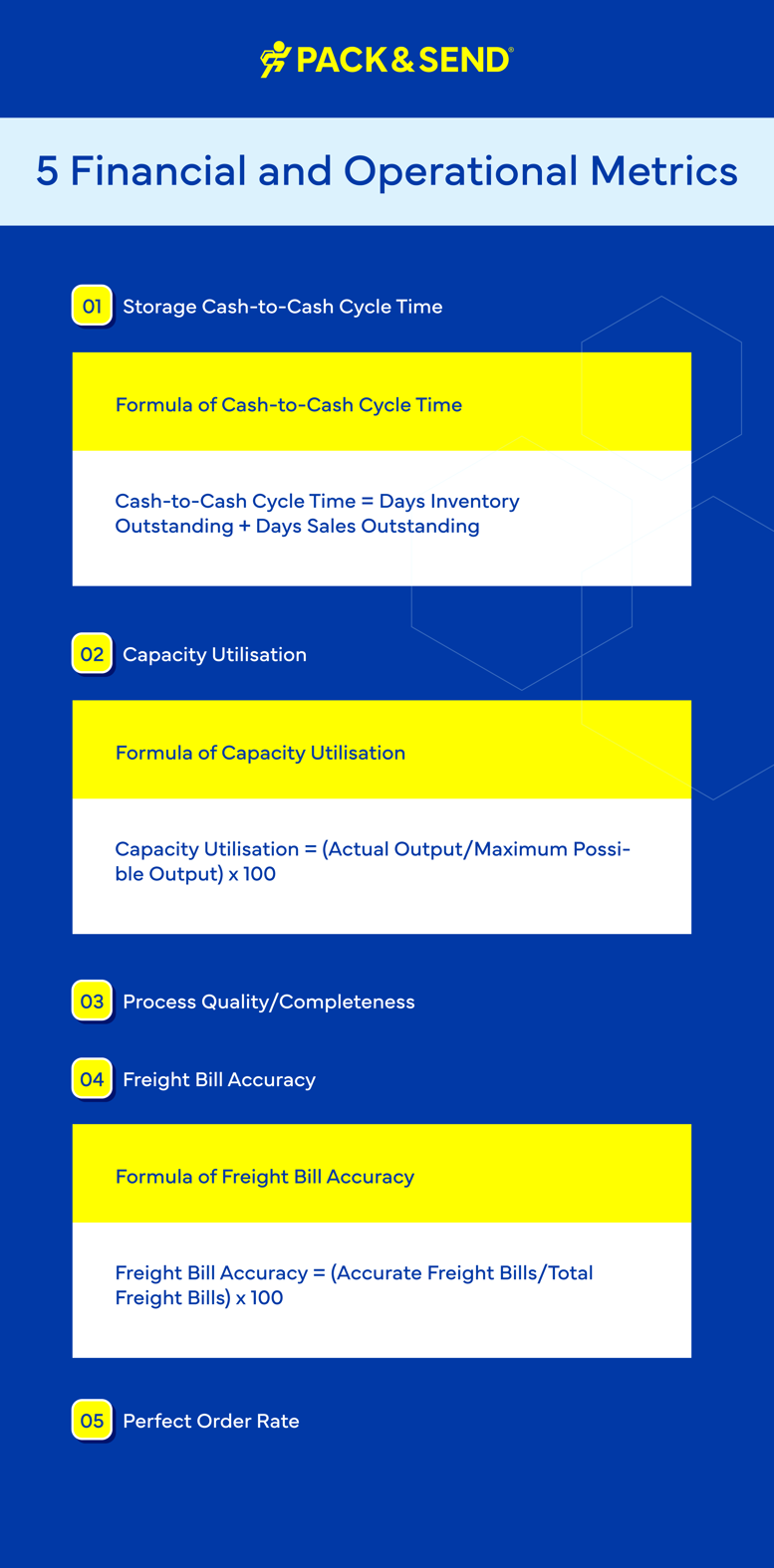
Another important aspect of a successful supply chain operation is its financial and operational performance. By measuring operational, supply chain strategy, and financial metrics, you can determine the improvements required to improve the financial performance of your supply chain process and its efficiency over a long period of time.
18. Cash-to-Cash Cycle Time
Cash-to-Cash cycle time can help you measure the days between paying suppliers or cash outlay, and cash inflow or customer payments. The cash-to-cash cycle time generally reflects the working capital efficiency and liquidity. The shorter the cash-to-cash cycle time, the more favorable it is for cost reduction and management.
The formula for this metric is:
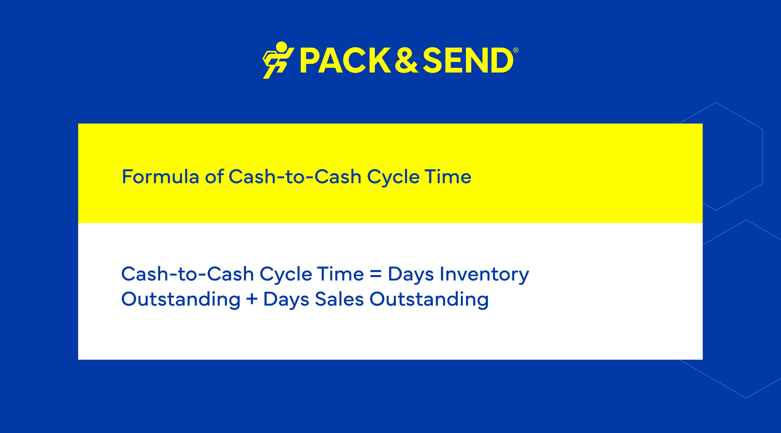
Cash-to-Cash Cycle Time = Days Inventory Outstanding + Days Sales Outstanding
For example, if you have a 40-day cash cycle time, your business will recover its investment in inventory within 40 days, improving cash flow and reinvestment options.
19. Capacity Utilisation
Capacity utilisation as a metric measures the percentage of operational capacity actively used for production, thus providing deeper insights into your efficiency and asset utilization. If you identify underutilized capacity, this indicates that your resources might be getting wasted, and overutilization indicates a higher risk of equipment breakdown and quality issues.
The formula for the metric is:
Capacity Utilisation = (Actual Output/Maximum Possible Output) x 100

20. Process Quality/Completeness
The process quality or completeness is a metric that represents adherence to pre-determined and established process protocols, and completeness of your supply chain process, including documentation. Higher process quality or completeness scores indicate a good output quality, higher regulatory compliance, and reduced reworks or audit findings.
You must conduct regular audits of your supply chain so that you can track and improve process adherence, reduce defects, and operational risks.
21. Freight Bill Accuracy
Another important financial metric is your freight bill accuracy, which measures the accuracy of your freight invoices in terms of the contracted rates and shipment details mentioned in the bill. Ensuring higher accuracy in your freight bills can help you maintain lower reconciliation time, unexpected costs, and disputes with carriers.
The formula to calculate the metric is:
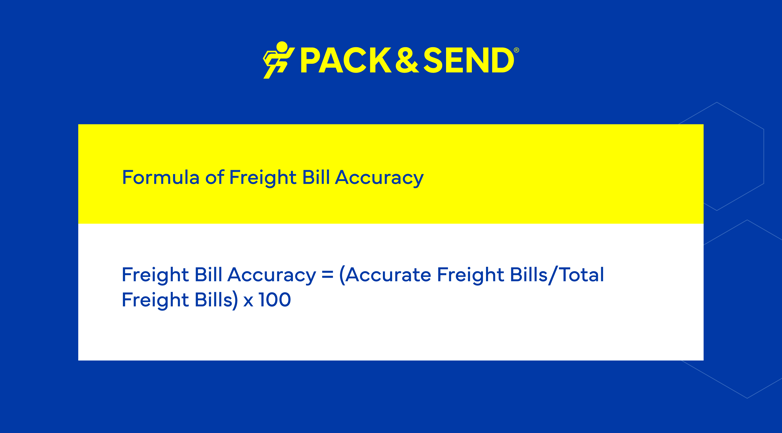
Freight Bill Accuracy = (Accurate Freight Bills/Total Freight Bills) x 100
22. Perfect Order Rate
Perfect Order Rate sounds pretty straightforward, but it is one of the most comprehensive operational metrics. Perfect Order Rate can help you track orders that are completely delivered, on time, with correct documentation, and damage-free. The Perfect Order Rate informs you about your overall supply chain performance and customer service quality.
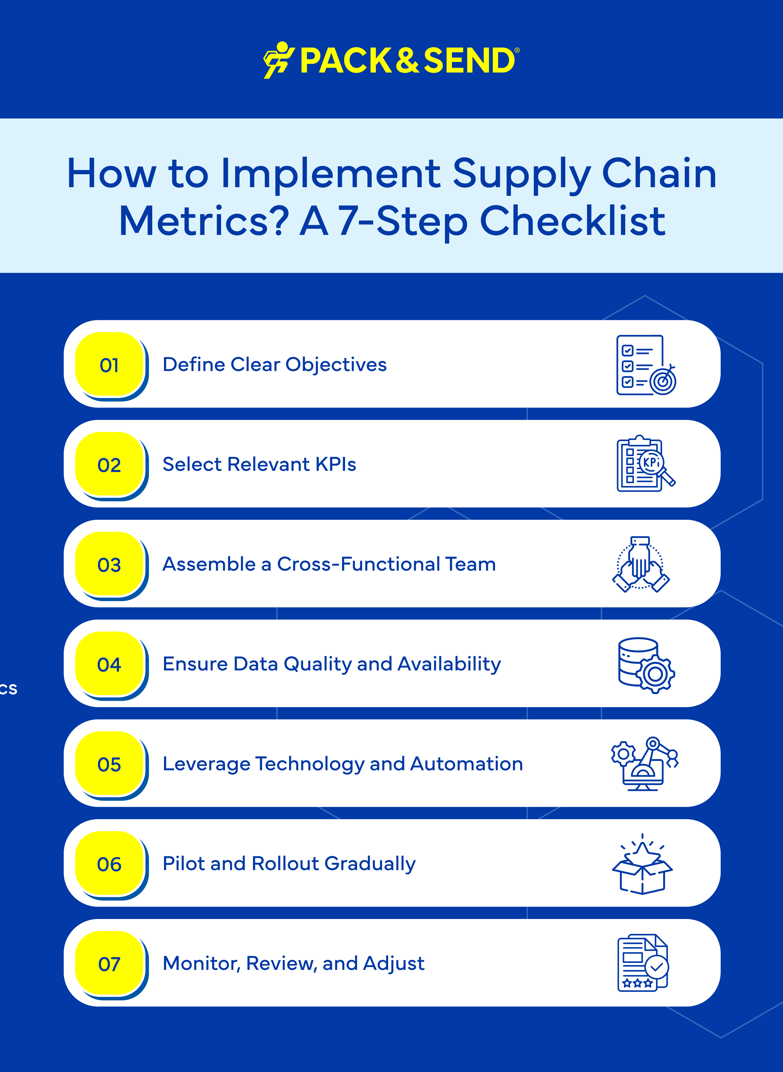
How to Implement Supply Chain Metrics? A 7-Step Checklist
To implement supply chain metrics effectively in your organization, you must follow these steps to gain actionable insights and drive continuous improvement. Here are the practical steps you should follow in the process:
-
Define Clear Objectives: Set clear, measurable, and specific goals that align with your overall business and supply chain strategy.
-
Select Relevant KPIs: Choose the key performance indicators that directly reflect your goals and are fully actionable, so that you aren’t overwhelmed with too many.
-
Assemble a Cross-Functional Team: Create a cross-functional team with representatives across departments such as finance, logistics, operations, finance, and more.
-
Ensure Data Quality and Availability: Collect timely and accurate data that is needed for your metrics to remove any issues, inconsistencies, and improve reliability.
-
Leverage Technology and Automation: Use retail supply chain management software that automates the collection, calculation, and reporting of data, and enables real-time visualization.
-
Pilot and Rollout Gradually: Start with a pilot implementation in a specific segment or location, and roll out gradually for consistent scaling across the organization.
-
Monitor, Review, and Adjust: Review metric outcomes regularly against targets and seek feedback from stakeholders.
Concluding Remarks
Supply chain metrics are measures that you can monitor and assess to understand your supply chain performance better. By monitoring your supply chain metrics, you can elevate your operational efficiency and significantly boost your overall performance with strategic decisions driven by data. Measure supply chain metrics and compare them against benchmarks to consistently improve your logistics and overall business performance.
Frequently Asked Questions (FAQs)
1. What are supply chain metrics?
Supply chain metrics are measures that can help you evaluate the efficiency, effectiveness, and overall performance of your supply chain process. You can use the metrics to assess the performance of individual areas of your operations, including order fulfillment, inventory management, and delivery.
2. What are the most important supply chain metrics for growing organizations?
The key supply chain metrics associated with growing organizations include order accuracy, inventory turnover, perfect order rate, fill rate, and freight cost per unit. Calculating these metrics can help you reduce costs and improve customer satisfaction levels.
3. How to use metrics and analytics in the supply chain?
By leveraging metrics and analytics through a supply chain metrics dashboard, you can identify the key process bottlenecks, guide decision-making processes, and forecast demand effectively. You can also empower data-driven improvements and risk mitigation across the supply chain.
4. Why is monitoring supply chain metrics so important?
Continuously monitoring supply chain metrics can enable you to detect any inefficiencies early on, ensure alignment with business goals, and enhance operational agility to deliver a superior customer experience.
5. How often should businesses monitor supply chain metrics?
The frequency of measuring and monitoring supply chain metrics depends on the specific business type and metric. While certain metrics associated with inventory levels may require constant tracking, strategic metrics can be reviewed monthly or quarterly.